
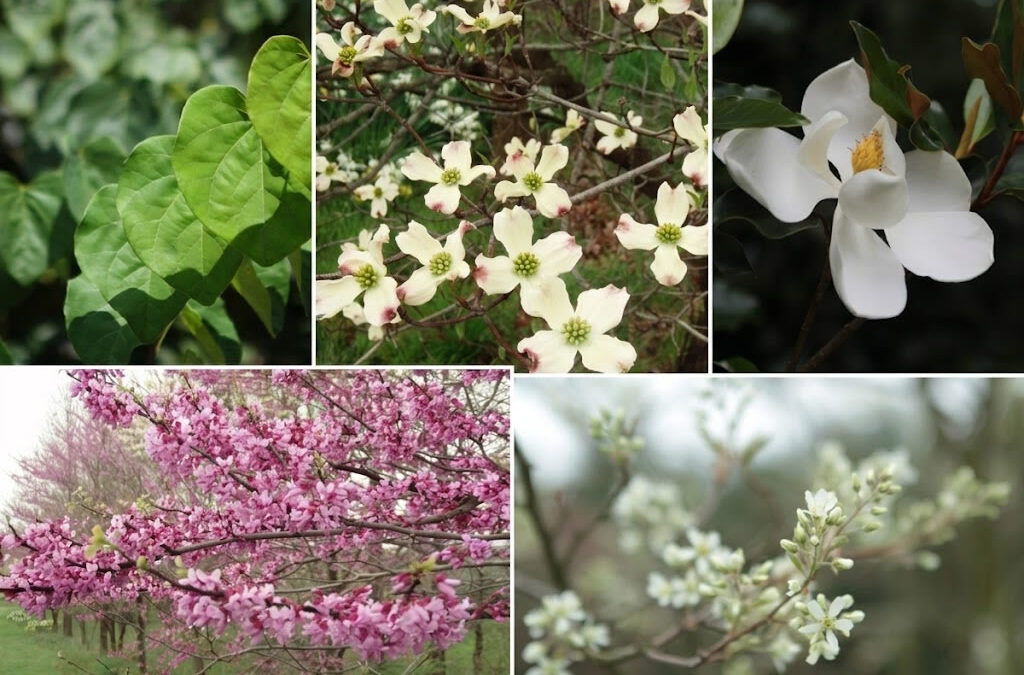
Native flowering trees are among the most rewarding additions to any Mid-Atlantic landscape. Whether you’re designing a woodland garden, a commercial planting, or a backyard retreat, these native trees deliver spectacular seasonal color, critical wildlife habitat, and low-maintenance performance. While many are prized as understory trees, they are equally stunning as stand-alone specimens. Let’s take a closer look at five of the best.
In This Article
Eastern Redbud (Cercis canadensis)
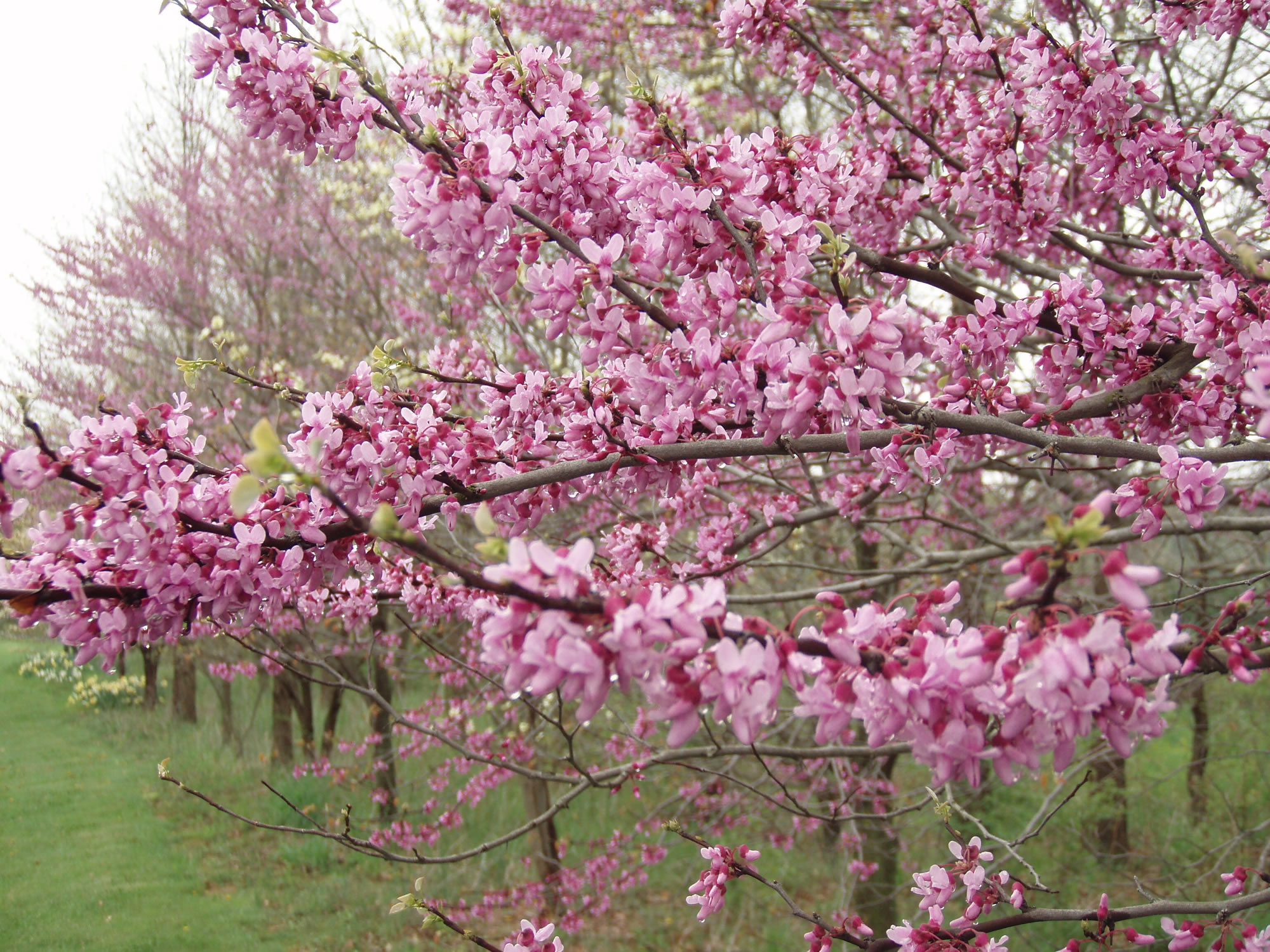
Growth Rate: Fast when young, then moderate
Sun: Full sun to part shade
Soil: Adaptable; prefers neutral to slightly alkaline
Wildlife Value: Pollinators, songbirds
USDA Zone: 4–9
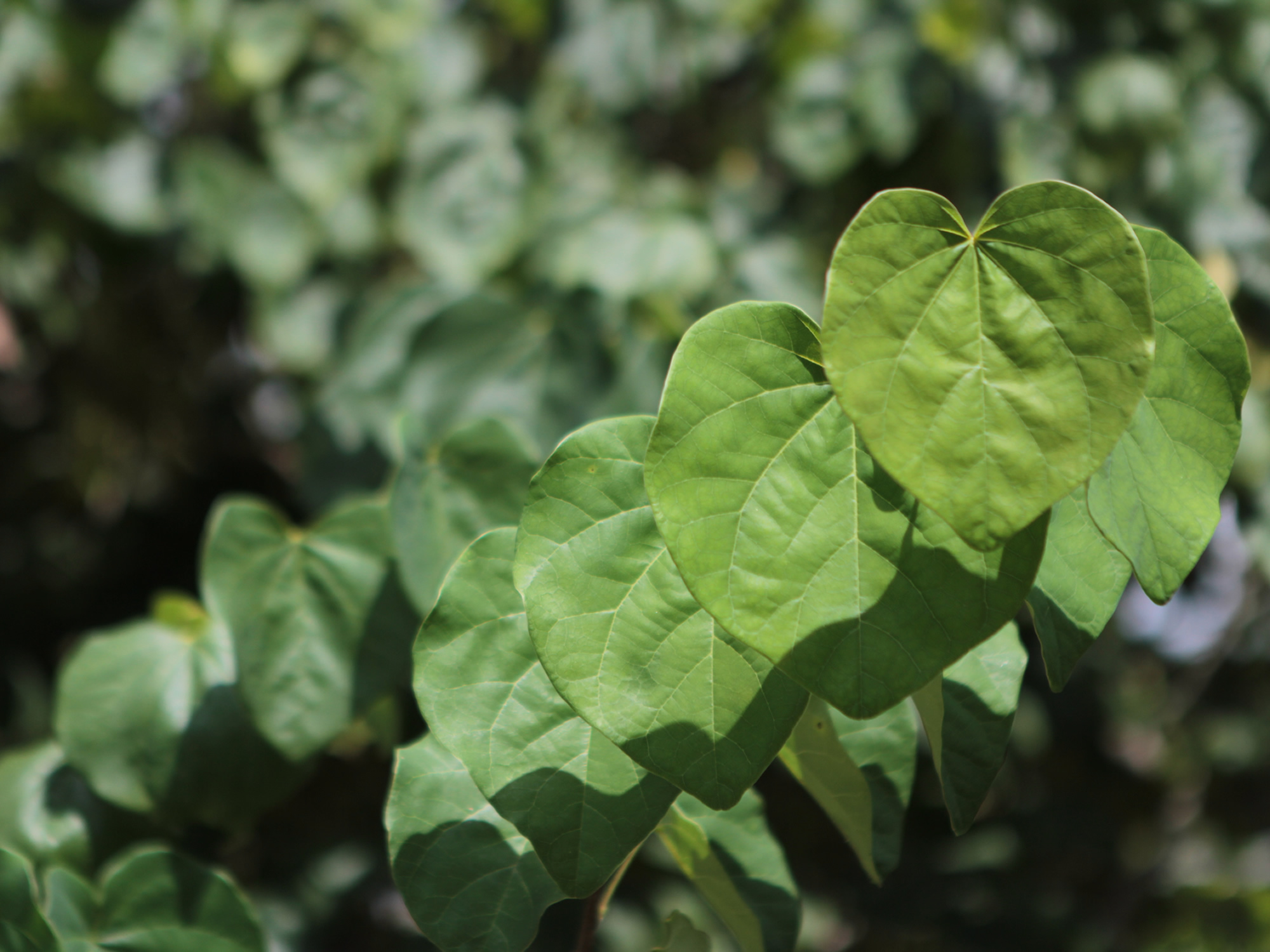
Redbuds are remarkably adaptable. In the wild they grow as understory trees beneath taller canopy species, so they tolerate afternoon shade — but they perform equally well in full sun. After bloom, heart-shaped leaves emerge with a lovely cascading habit, followed by flat, pea-like seed pods that persist into fall, adding texture and bird interest.
Redbud performs reliably across USDA Hardiness Zone 6B — right where our Carroll County farm sits — and transplants readily from container stock.
Pagoda Dogwood (Cornus alternifolia)
If you’ve been searching for a smaller native tree that earns its place across all four seasons, Pagoda Dogwood deserves serious consideration. Its strongly horizontal branching and flat-topped crown — the feature that gives it its common name — create a striking architectural silhouette even in winter.
Sun: Part shade to full sun
Soil: Moist, well-drained, slightly acidic
Wildlife Value: Exceptional — mammals, songbirds, waterfowl
Also Known As: Alternate-leaf Dogwood
USDA Zone: 3–7
In late spring, the branches fill with fragrant, flat-topped clusters of creamy white flowers that attract native pollinators. These give way to blue-black berries on red stems — a striking ornamental contrast and a genuine food source for mammals, ground birds, water birds, and songbirds alike.
Pagoda Dogwood is also an excellent alternative to Sassafras, which is widely desired but notoriously difficult to source and transplant. Cornus alternifolia offers a similarly interesting native profile with far better transplant success from container stock.
Flowering Dogwood (Cornus florida)

Many horticulturists consider Flowering Dogwood the finest of all native flowering trees. The bloom period is long, the flowers are elegant and abundant, and the tree provides genuine ecological value at every stage of the growing season.
Growth Rate: 12–24 in per year
Sun: Part shade; heat tolerant once established
Soil: Slightly acidic to neutral, well-drained, organic
Wildlife Value: Butterflies, bees, songbirds
USDA Zone: 5–9
Butterflies and bees are drawn to the flowers throughout spring. In fall, glossy red drupes become a critical high-fat food source for migrating songbirds and resident wildlife. The foliage turns a rich burgundy-red in autumn. Few trees deliver across all four seasons the way Cornus florida does.
Dogwoods prefer slightly acidic to neutral, well-drained soil enriched with organic matter. A bit of afternoon shade is beneficial during establishment, though mature trees handle heat well.
Allegheny Serviceberry (Amelanchier laevis)

Serviceberry goes by many names — Juneberry, Saskatoon, Shadbush, Sugarplum, Wild Plum, Wild Pear — a testament to how widely beloved this native understory tree has always been. It is one of the first trees to bloom in spring, producing a cloud of showy, slightly fragrant white five-petaled flowers that are genuinely symbolic of renewal.
Sun: Full sun to part shade
Soil: Adaptable; prefers moist, well-drained
Wildlife Value: Outstanding — native bees, birds, small mammals
Edible Fruit: Yes — ripens in June, blueberry-like
USDA Zone: 4–9
The flowers give way to small edible berries that ripen in June, resembling blueberries in both taste and appearance, and are notably rich in iron. Dark green, finely-toothed leaves turn a striking red-orange in fall, and the tree’s multi-stem form adds graceful structure to the winter garden.
From an ecological standpoint, few native small trees match Serviceberry’s value. It supports native bees, dozens of bird species, and a variety of small mammals — making it an excellent selection for conservation and mitigation plantings where wildlife habitat is a priority.
Sweetbay Magnolia (Magnolia virginiana)
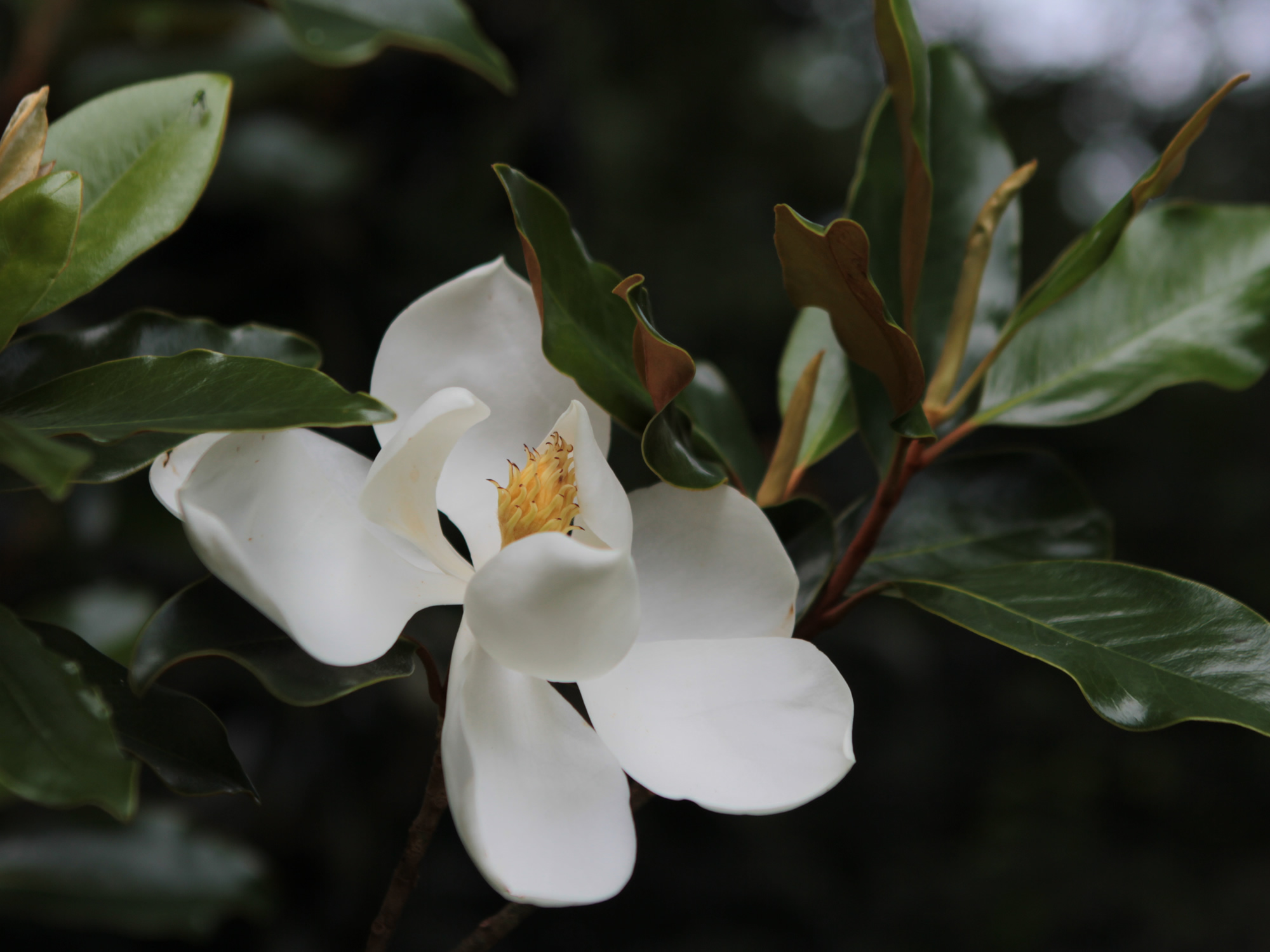
There’s a reason Magnolias have been cherished in American gardens for centuries. Sweetbay Magnolia brings all of that romantic appeal in a more compact, ecologically appropriate package for Mid-Atlantic landscapes. Unlike the large Asian magnolias common in suburban plantings, this is a true Eastern native — adapted, resilient, and deeply connected to local ecology.
Sun: Full sun to part shade
Soil: Tolerates wet soils; prefers moist, slightly acidic
Foliage: Semi-evergreen, glossy with silver undersides
Wildlife Value: Birds (red cone seeds in fall)
USDA Zone: 5–10
The large, creamy-white flowers are intensely fragrant and have an extended bloom season — opening during the day and closing at night for several days at a time, then repeating throughout late spring and into summer. After flowering, the tree produces ornamental cone-like fruit whose seeds ripen to a vivid red, attracting birds well into fall.
One of Sweetbay Magnolia’s underappreciated strengths is its tolerance for wet soils, making it an excellent choice for stream buffer plantings, rain gardens, and periodically flooded sites where most ornamental trees would struggle.
Ready to Add Native Flowering Trees to Your Next Project?
Clear Ridge Nursery grows all five of these species at our 87-acre farm in Carroll County, Maryland. We supply wholesale quantities to landscape contractors, conservation projects, municipalities, and reforestation efforts across Maryland, Virginia, Pennsylvania, New Jersey, West Virginia, and beyond. Contact us to request a quote.