
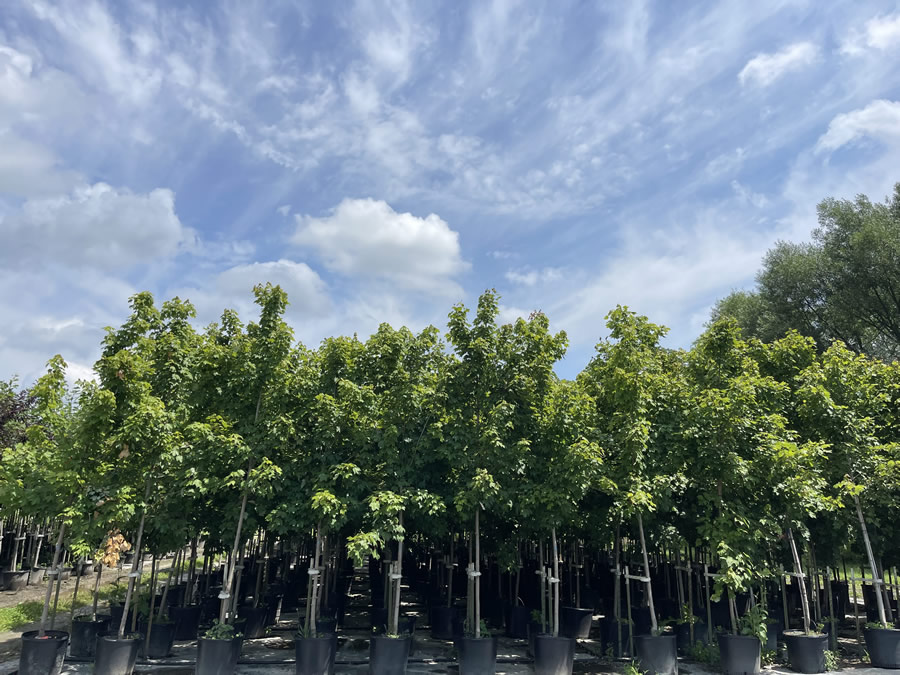
As Natives gain in popularity for so many good reasons – including resiliency to climate change and the many benefits to beneficial insects and wildlife – A question we hear quite often from landscapers is “What Natives grow well in yards and gardens?”
Not all Natives are suited for a suburban yard, but there are plenty of lovely options depending on the size of the yard and the goals of the homeowner. Here in Maryland there are also really exciting ways to plant trees at parks, schools and other public spaces by donating trees through DNR’s Gift of Trees and Treemendous programs if you don’t have room for a Sycamore or Tulip Poplar in your front yard, but really want to plant one of these giants.
Here are some recommendations for attractive Natives that will grow fairly quickly and provide peace and privacy to your landscape, and shade, cool air and, depending on where you plant it, could be a wind break to your home – and peace and privacy to your landscape.
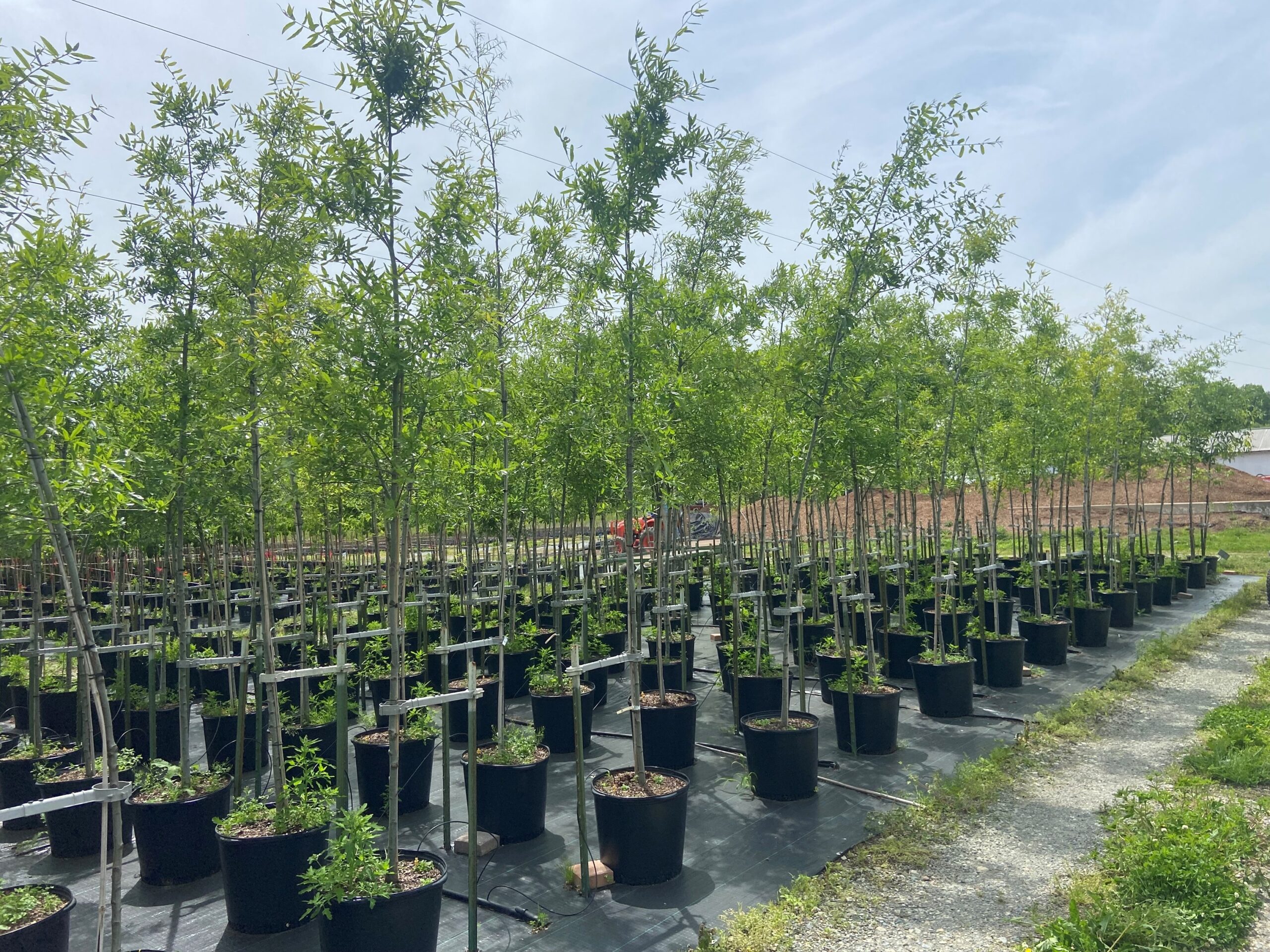
Willow Oak (Quercus phellos) - A favored shade and street tree, Willow Oaks are often planted as an ornamental because of their very appealing growth habit. Willow Oaks grow fast in a wide range of soil types and prefer full sun. They have narrow, willow-esque leaves that turn yellow-russet in the fall, and they typically grow to 50 – 75 feet. Once mature, the Willow Oak produces acorns almost every year, which are essential to a wide array of wildlife.
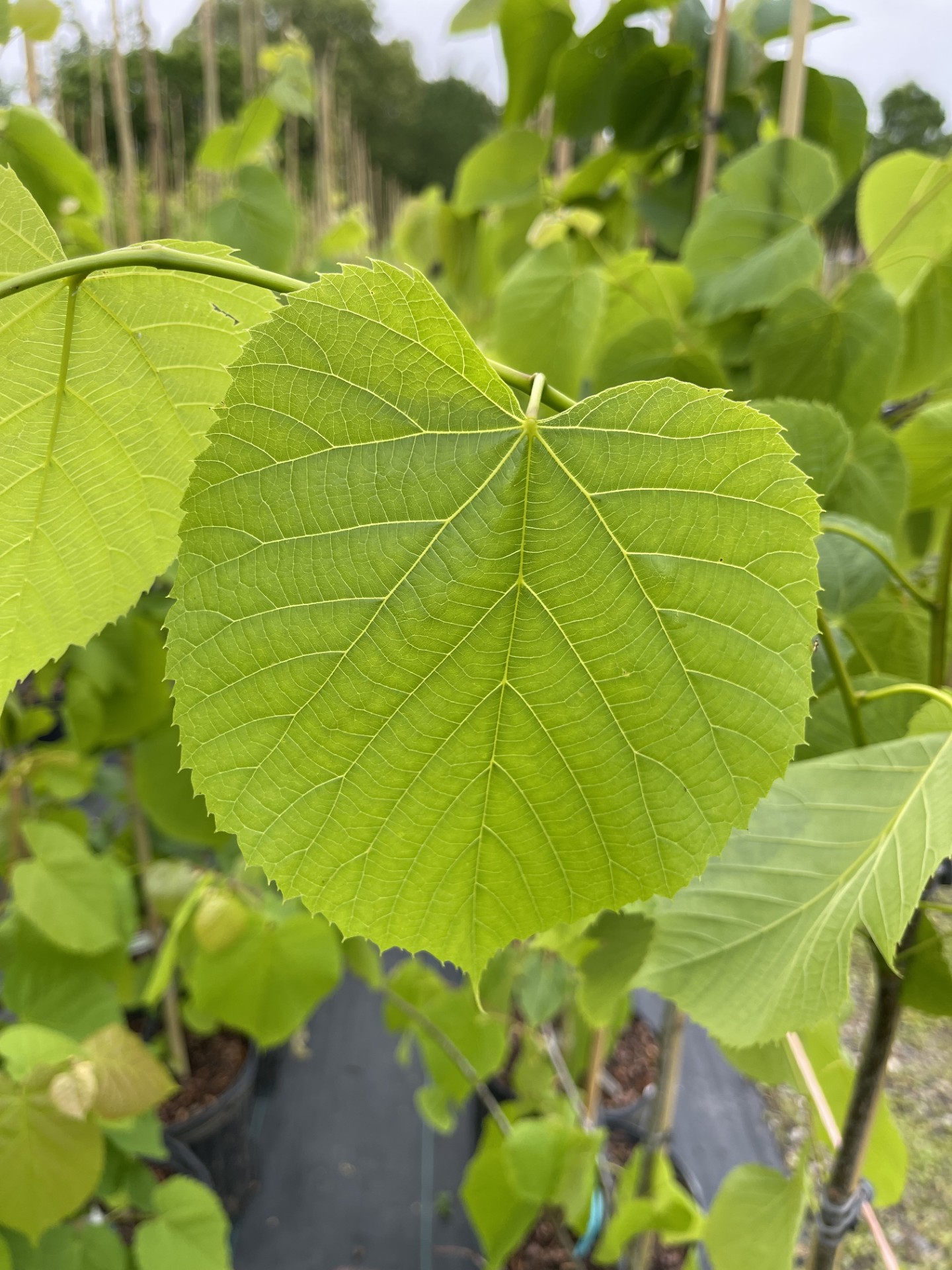
American Linden (Tilia americana) - The American Linden is an enchanting, and dare I say romantic Native tree with heart shaped leaves and a late spring, showy scented bloom. Growing to heights of 60 – 80, this tree provides dense shade, has a beautiful form and can also be pruned to be used as a flowering hedge. The American Linden’s wildlife value is A PLUS – Honeybees and other pollinators are obsessed with the flowers, songbirds enjoy the seeds it makes, it attracts lightning bugs and is a host for several species of butterfly larvae. It can tolerate a variety of soils though it prefers moist, well-drained loam (who doesn’t), this cultivar is not recommended as a street tree. We carry limited amounts of the American – Order one for fall now, before they are gone again for the season!
American Hornbeam (Carpinus caroliniana) - This is a delightful understory tree that offers year-round interest in the landscape. The bark can take on a blue gray hue especially attractive in winter; new growth starts off in a reddish purple hue that turns to dark green, and fall brings shades of yellow to orange/reddish tones. The tree itself is slower-growing, reaching 25-30’ – but worth the wait. Hornbeam flowers in spring as male and female catkins, the female catkins grow into clusters of winged nutlets that appeal to a wide range of birds. The hornbeam will thrive in a variety of soils (dry, wet, clay, alkaline) but do not tolerate salt runoff.
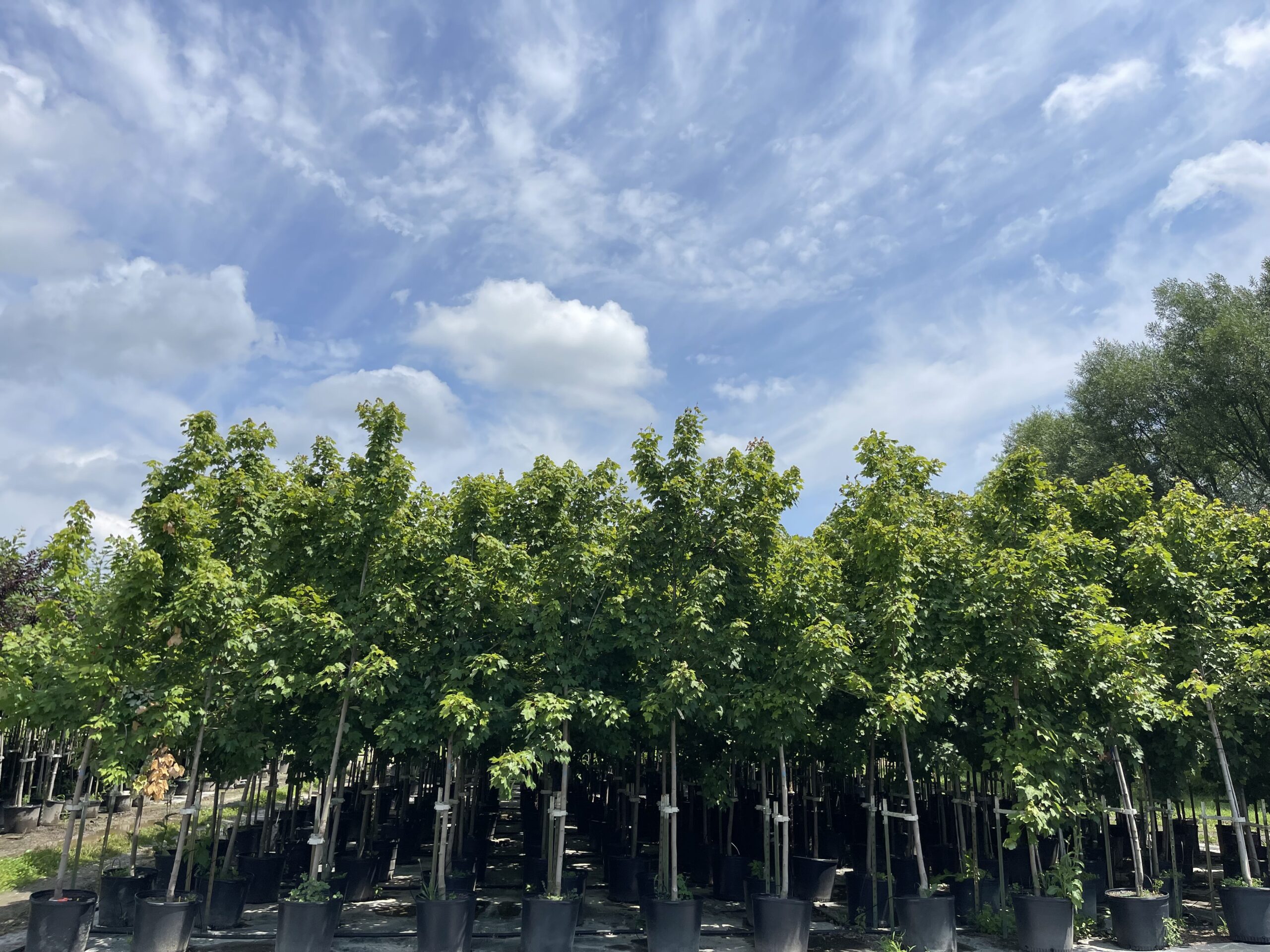
Red Maple (Acer rubrum) - This is a fast-growing, ornamental shade tree that buds out early in spring and adds interest to the landscape in all seasons. The seeds and flower buds are food for many types of birds and squirrels, and the early spring flowers help feed Native bees. Red Maples are tolerant of a wide range of soil types, and tend to grow in an attractive, round shape. These trees are incredibly showy in fall!
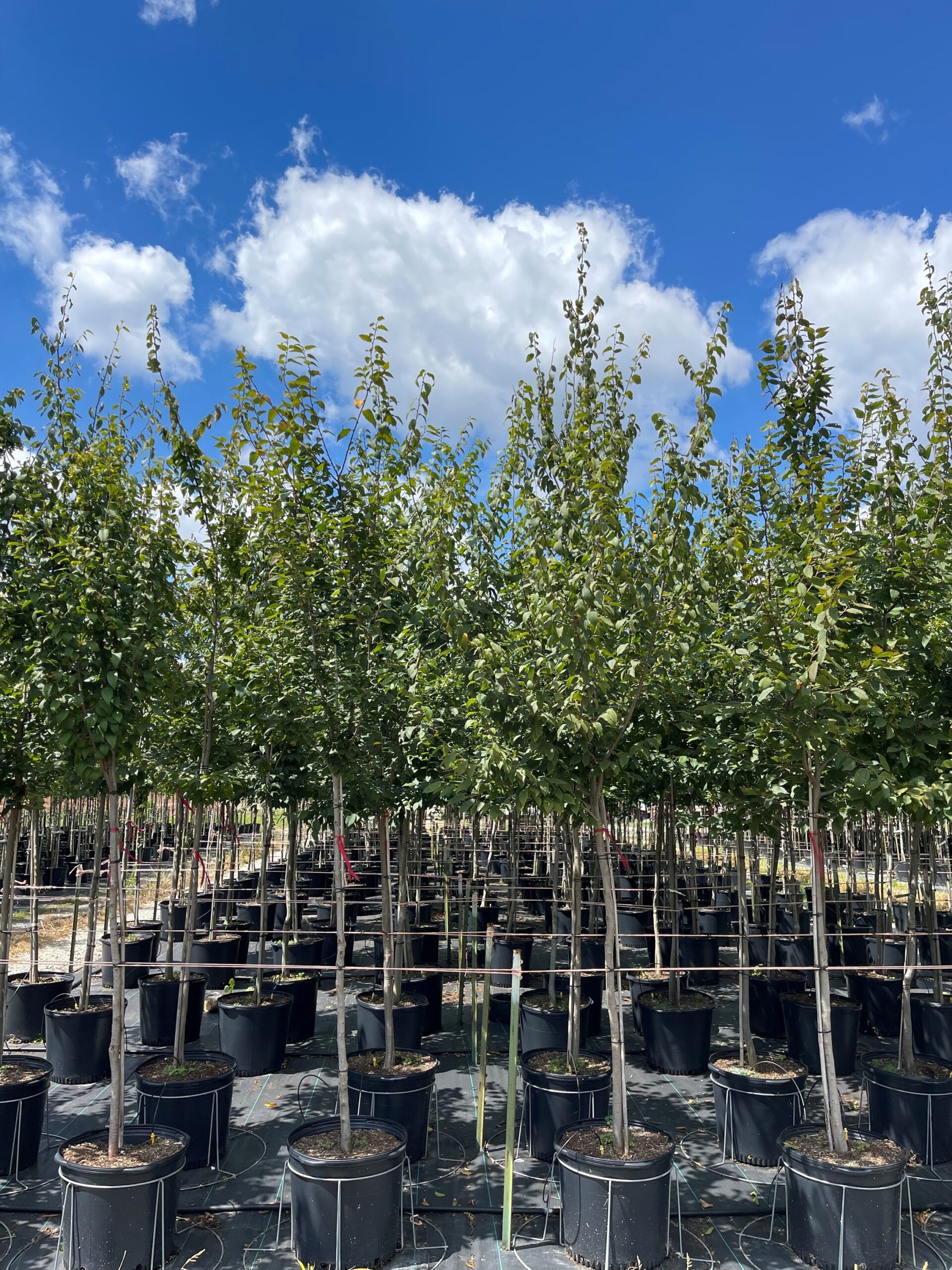
Flowering Natives are of course always a good bet for landscaping projects – Dogwood and Redbud, Sweetbay Magnolia, Serviceberry and Fringetree are lovely choices that don’t grow too large, add seasonal interest not only in spring but all year round, and provide food and shelter for songbirds, pollinators and beneficial insects.
While Clear Ridge Nursery does not sell single trees to homeowners, we do sell to many local landscaping companies and garden centers, and we do not have minimums. Let’s all do our part to get more Natives planted anywhere we can!