
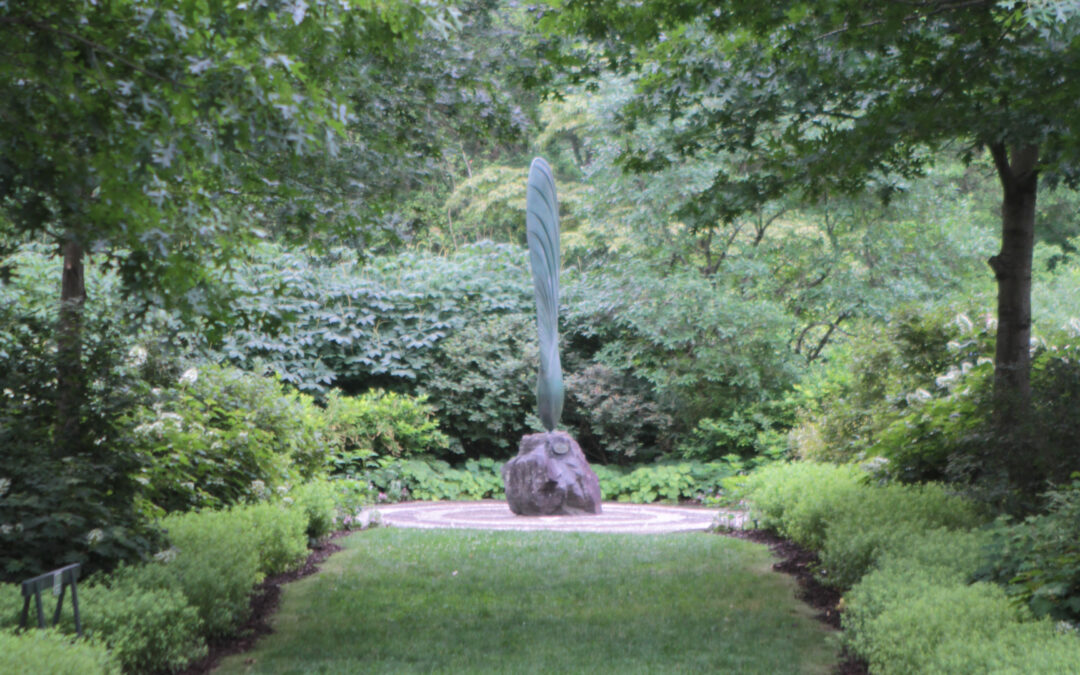
In mid-June, the Maryland Nursery, Landscape and Greenhouse Association (MNLGA) held their annual field day at Mt. Cuba Center in Hockessin, Delaware. About a 2-hour drive from Clear Ridge Nursery, Mt. Cuba Center is a botanical garden is well-known for their trial gardens and their focus on Native plants since 1950 – The Copeland Family and their landscaping team were way ahead of their time!
MNLGA field day always has several sessions to choose from along with breakfast and lunch which allows for catch-ups with old friends and colleagues in the industry. They could not have picked a more perfect day – the morning weather was crisp, breezy and overcast with occasional light drizzle, and the afternoon was sunny and warm.
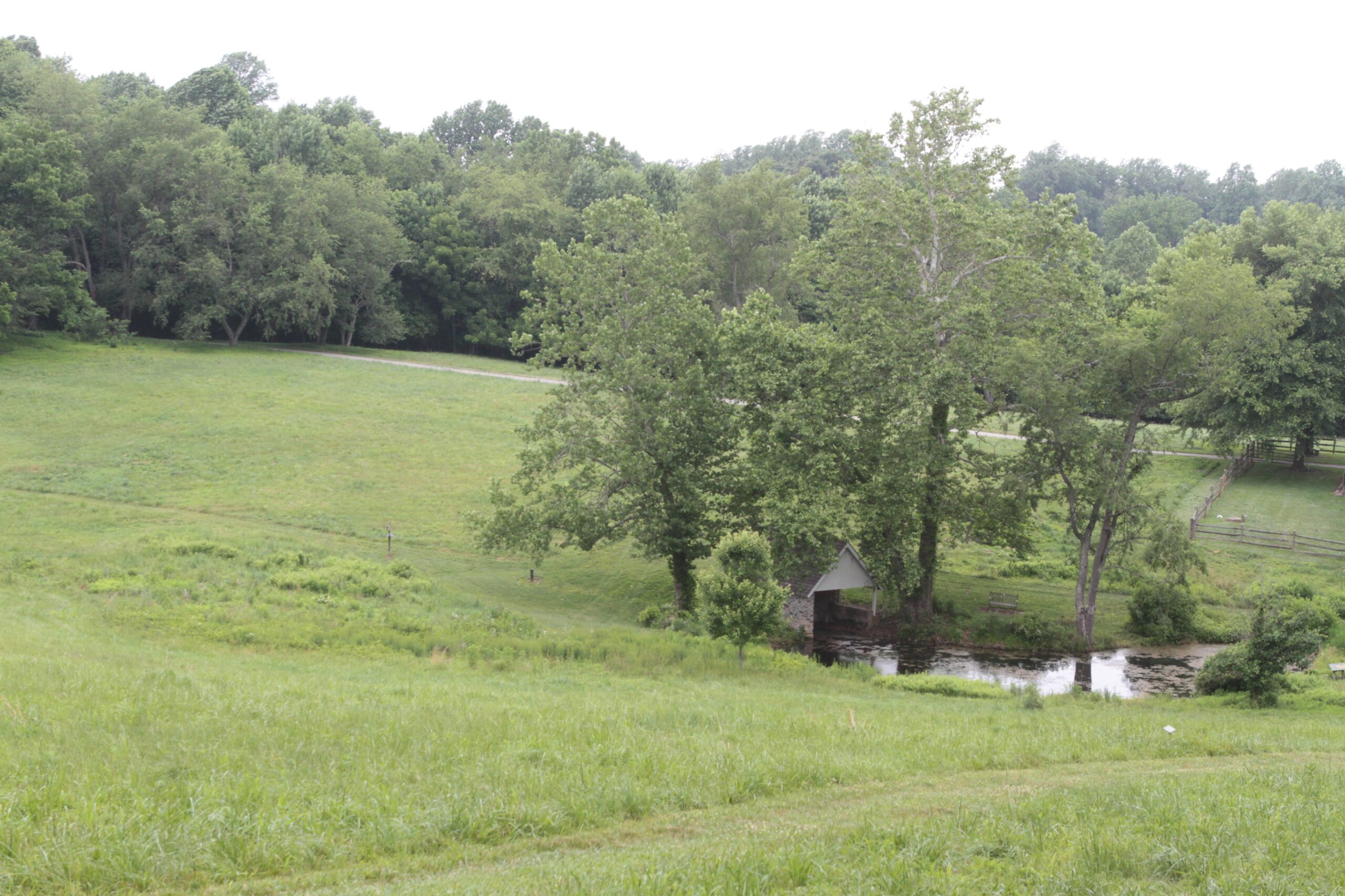
I was lucky enough to go on a Haywagon tour of “The Trails” – And what a delight to realize where the Mt. comes from in Mt. Cuba! Having visited Delaware countless times over the years, I only knew it to be flat — but it turns out there are some hills! Highlights from this session were hearing from Christine, our former banker-turned-environmentalist tour guide who really knew so much about the mission and maintenance of the land. Mt. Cuba manages land by controlled burns, mechanical removal and even selective herbicide use, with the purpose of controlling invasive species and encouraging native plants to have a chance to compete to promote a healthy ecosystem (this line was taken directly from their website).
Mt. Cuba has suffered large losses of Ash, Hemlock and Chestnut and have several reforestation projects in the works using native trees – They care for these plots by installing a deer fence which typically stays in place for seven years, and they mow the area for five years & water for three years. Beech Tree blight is also becoming an issue; most of their beech are showing signs of this disease and are getting supplemental nutrition at this point.
The 850 acres +/- in The Trails area is rich with pollinators, birds and native grasses, flowers and of course trees. Mt. Cuba Center is committed to maintaining this area for conservation, education and research – and this commitment provides space for birds such as Meadowlarks, Kestrels and Bobolinks – ground nesting species and species that prefer wide open spaces.
The Haywagon tour was as delightful as it sounds – Purple Martins swooped behind us munching on bugs, and many thoughtful questions were answered by Christine. We learned Honeysuckle and multi-flora rose are the most challenging invasives they deal with; Oaks and Sycamores are the “easiest” trees they grow…The most insightful / horrifying information Christine shared with us is that Mt. Cuba Center anticipates that their climate (similar to ours here at the Nursery) will be similar to Texas by 2050 and are thinking through what to plant now that will survive in that type of weather.
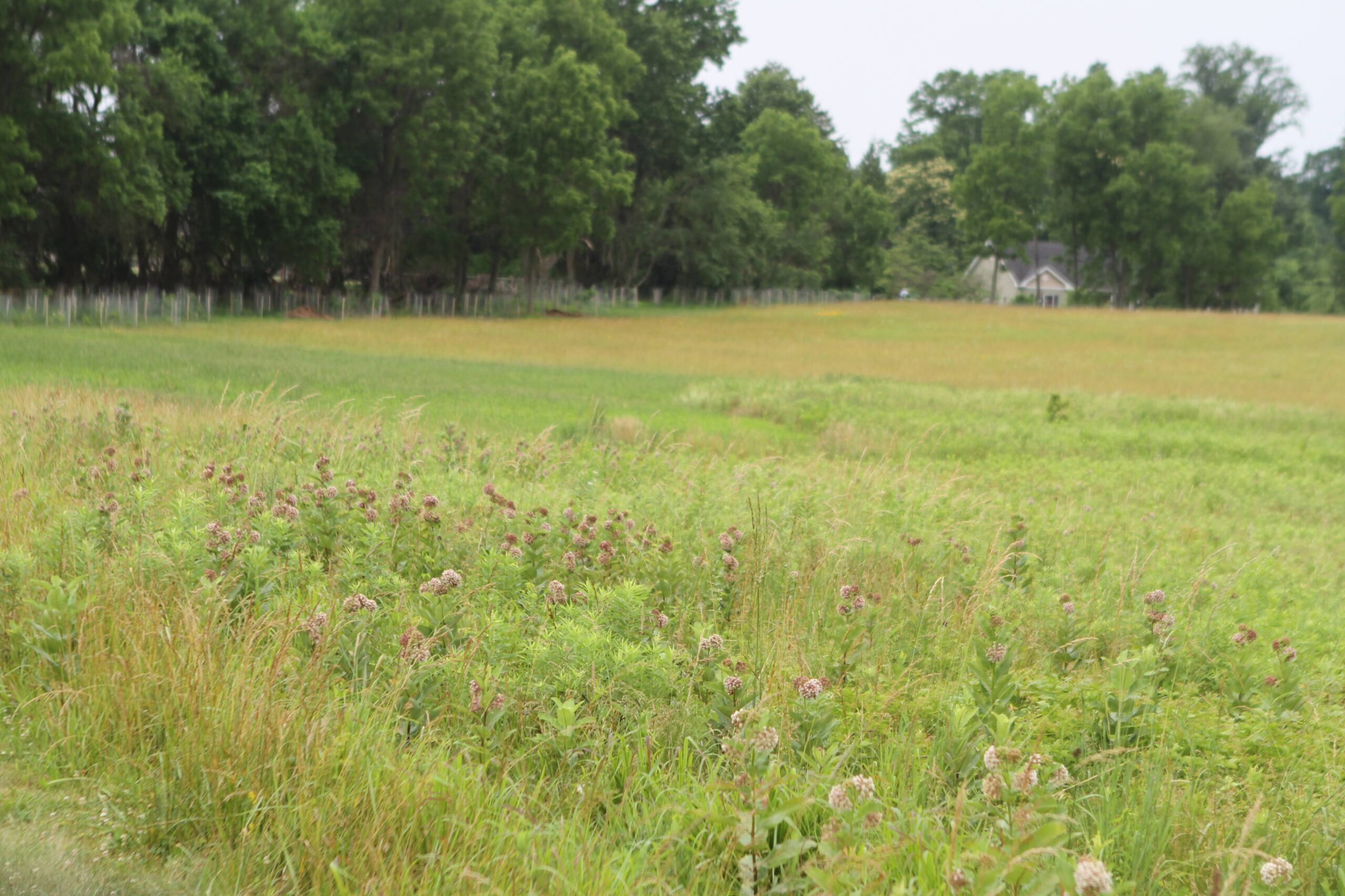
My next stop was a living soils tour with another very knowledgeable guide. My favorite line from his talk was “We aren’t feeding the soil – we are feeding the organisms that feed our plants.” There were questions about Molasses, something that keeps coming up for us here in conversations and research – I am committed to learning more about how to use it for plant and soil health. He pointed out that Mt. Cuba has a large “living collection” of Trillium and I was excited to see Bottlebrush Buckeye on this tour that easily stretched to 14’ tall, just starting to bloom. It seemed to thrive in both full sun and full shade and was used in many spots on the property.
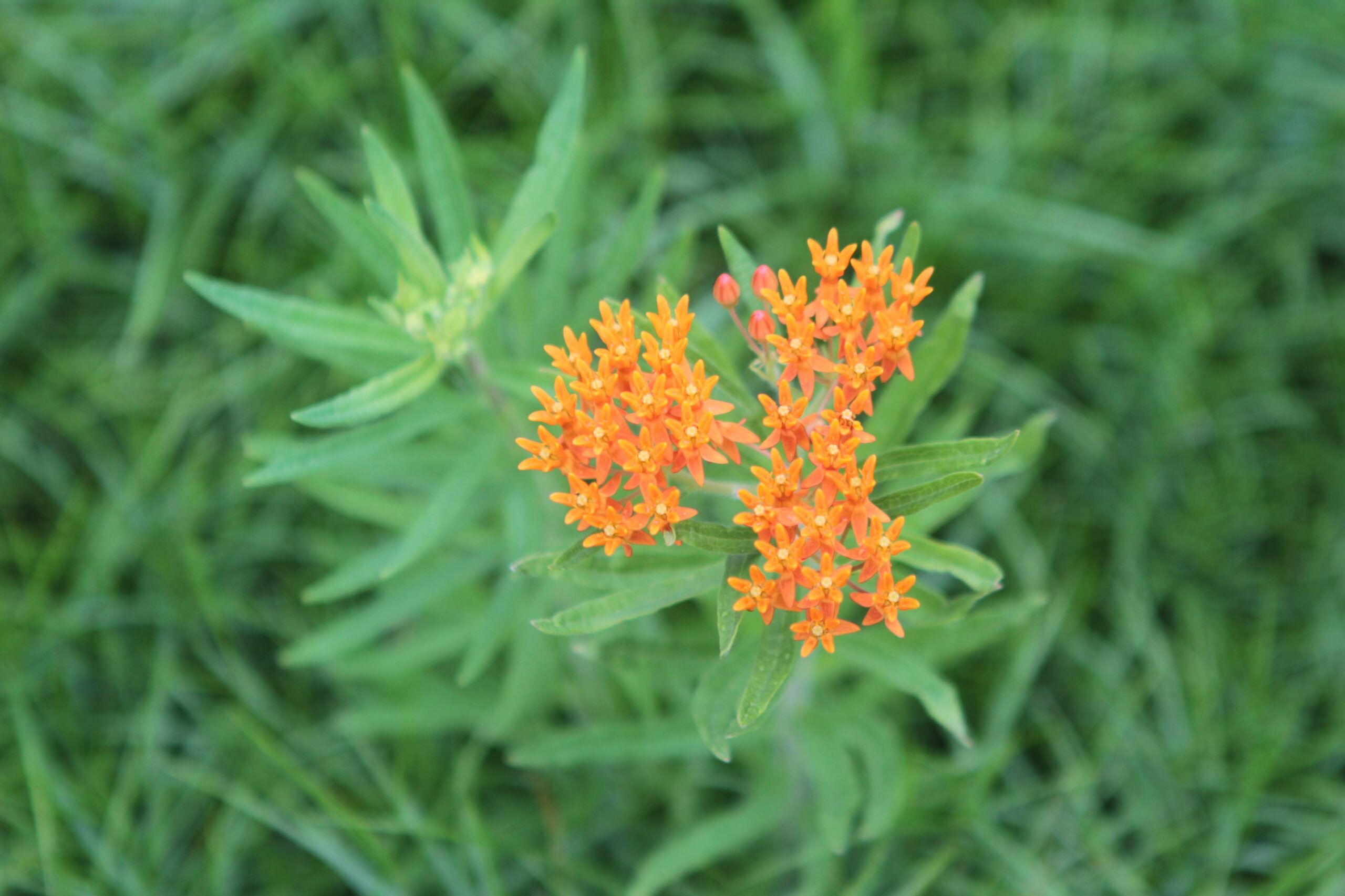
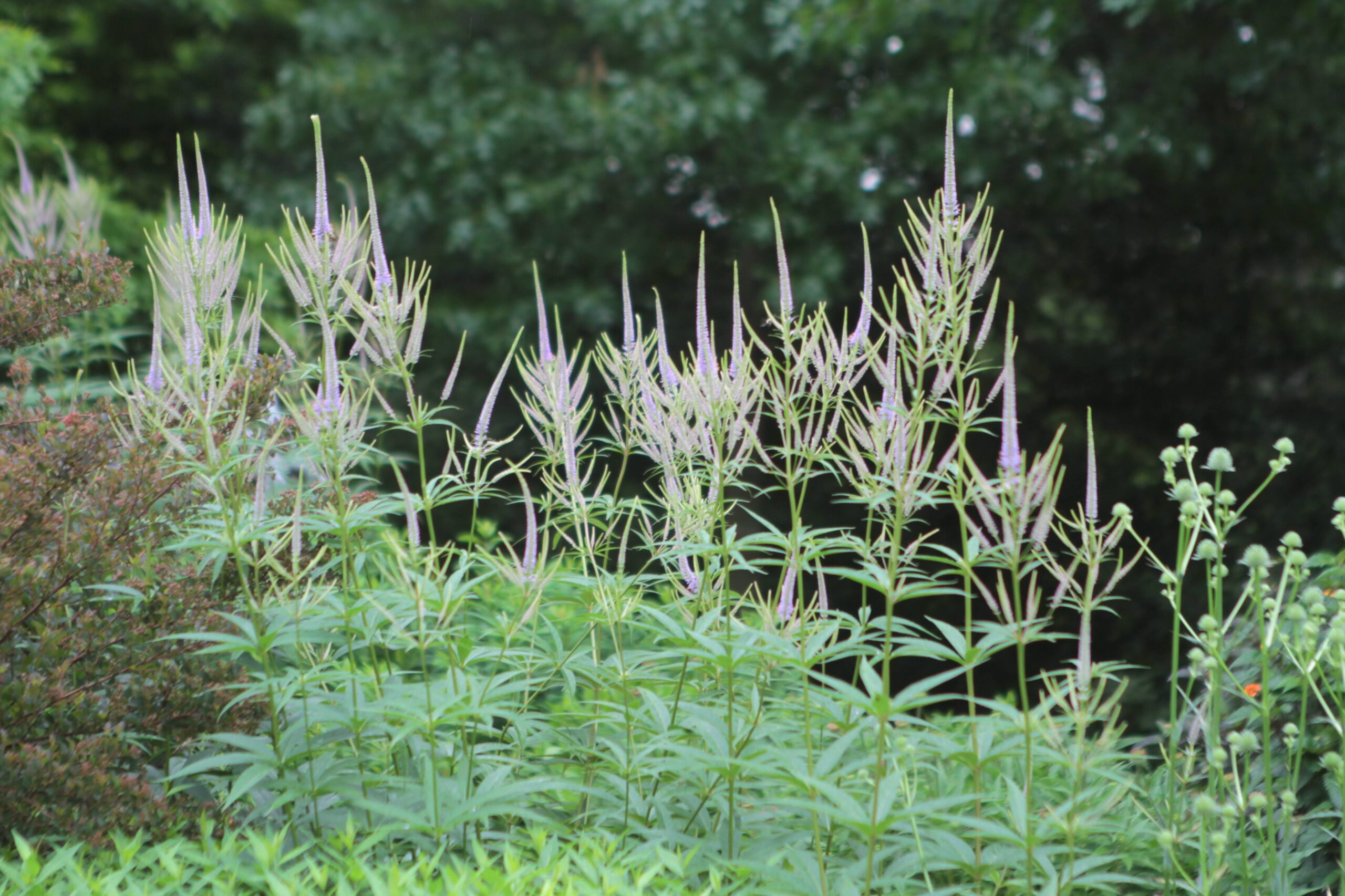
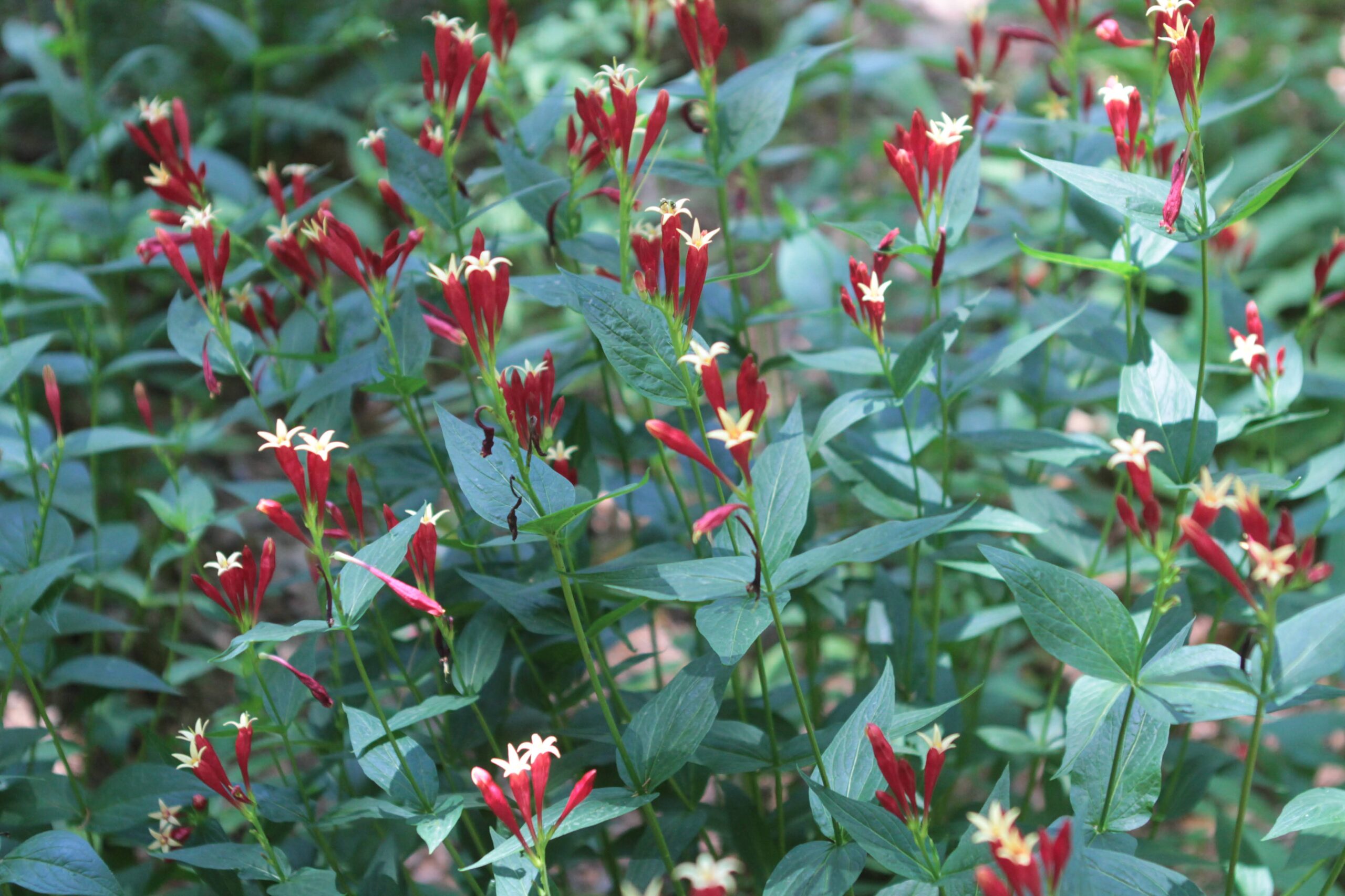
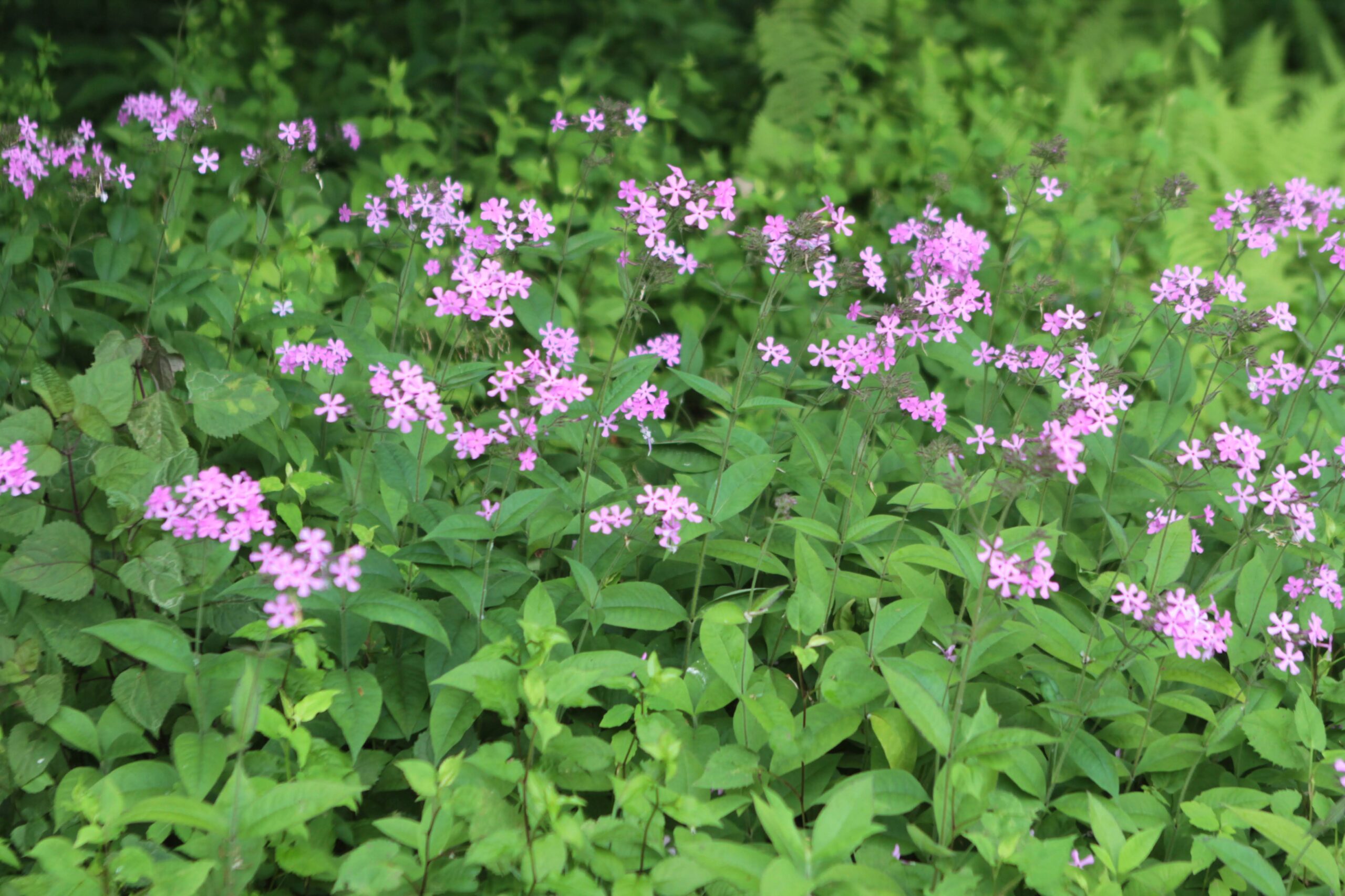
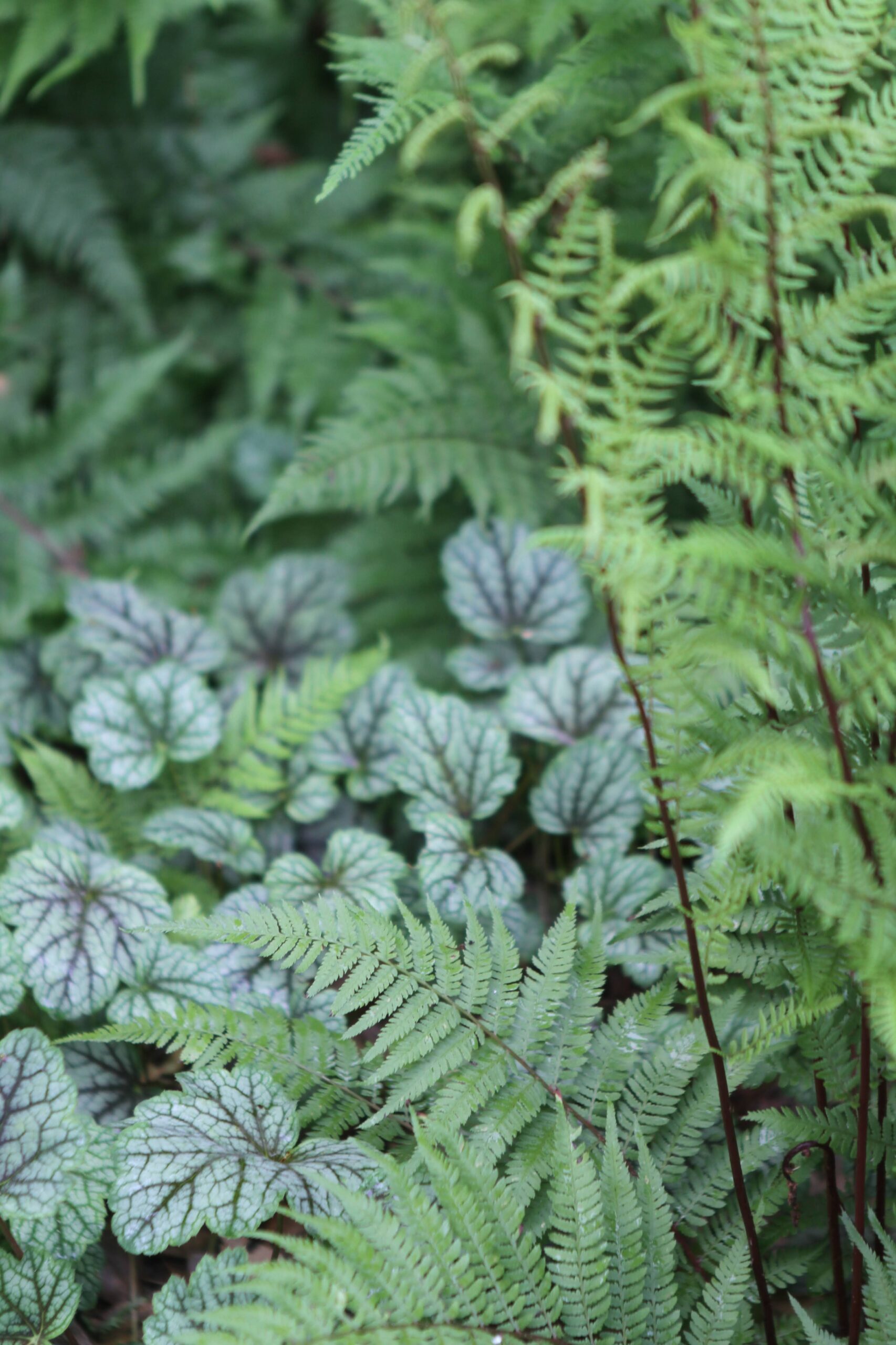
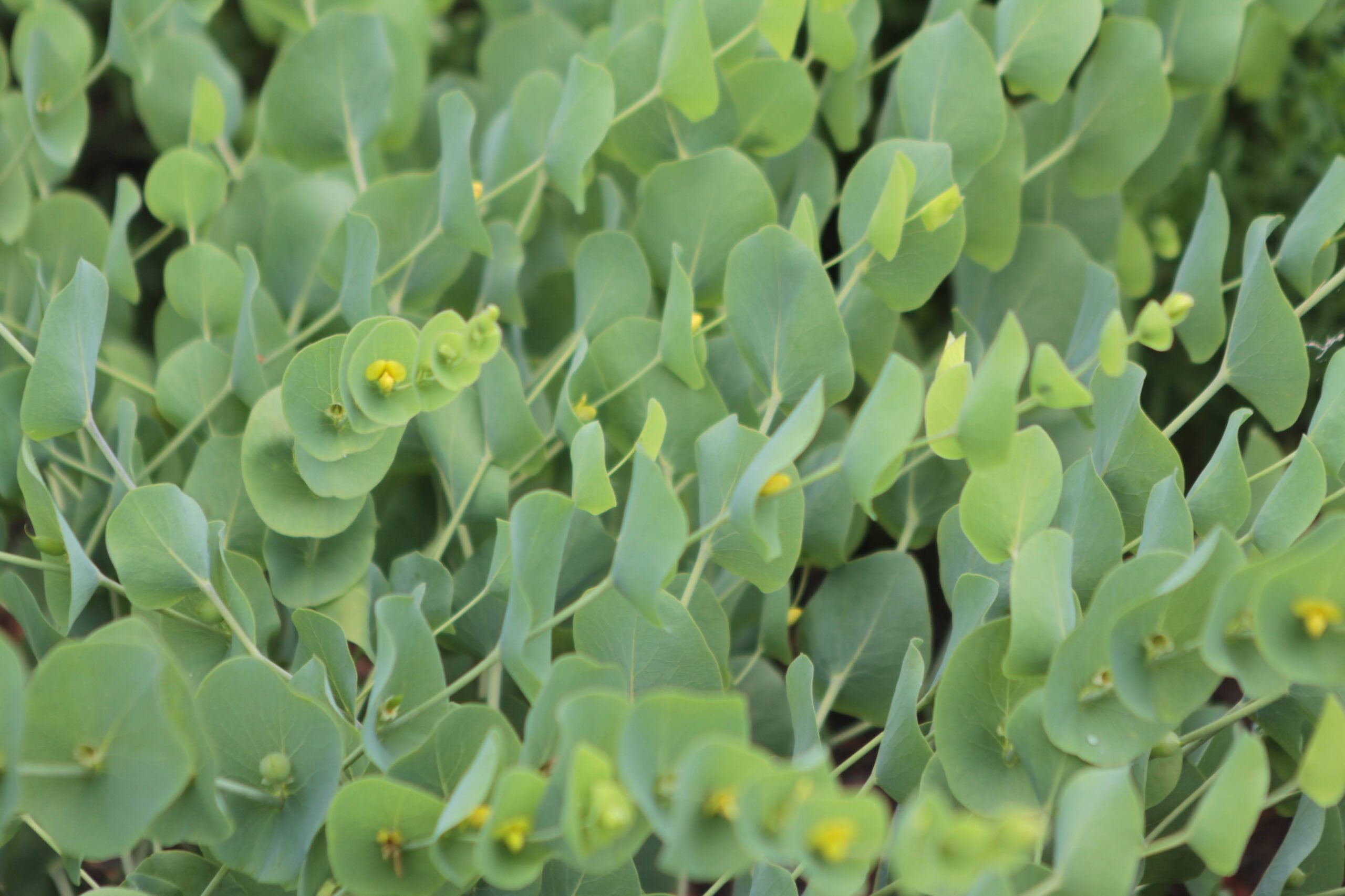
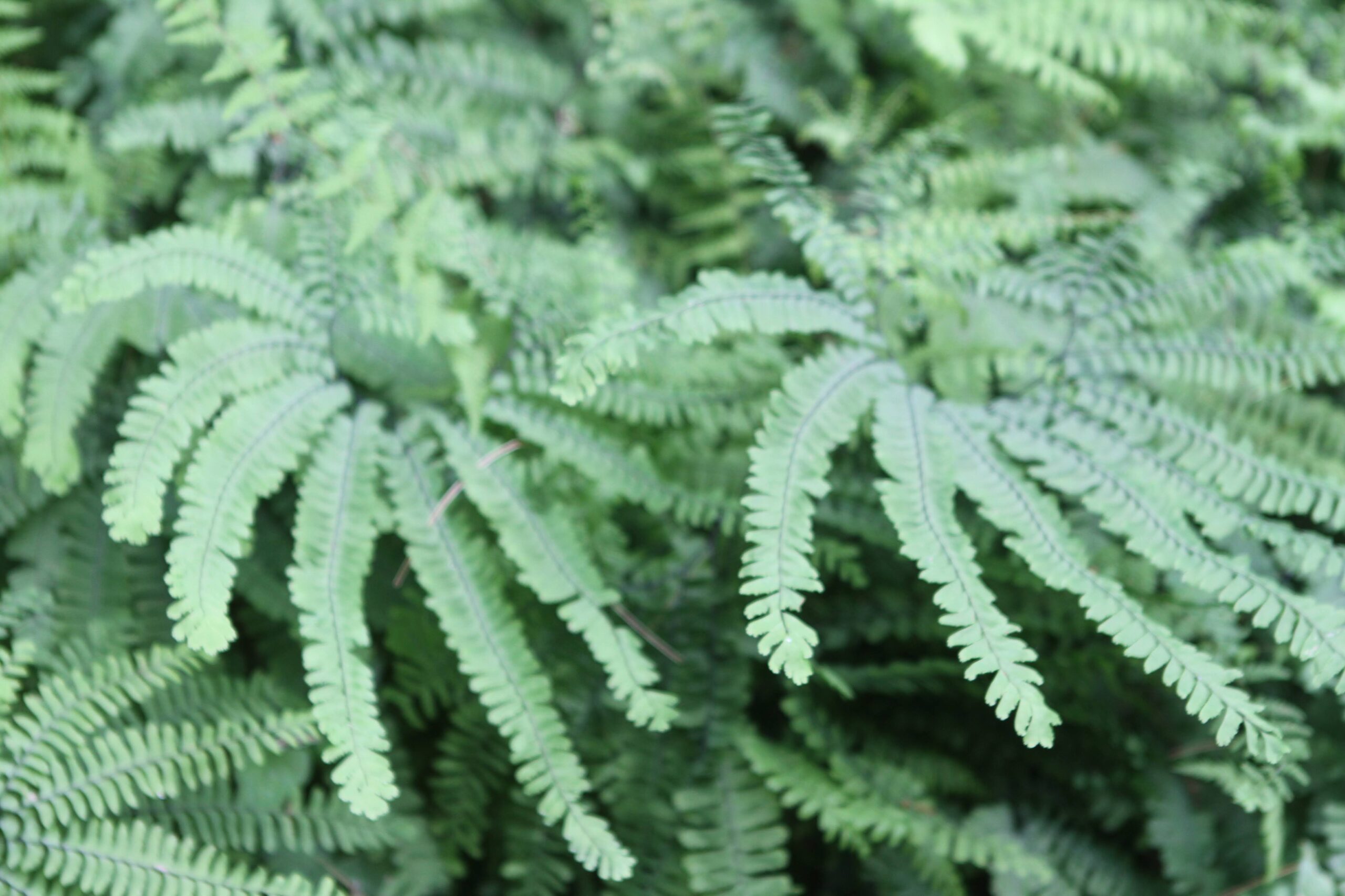
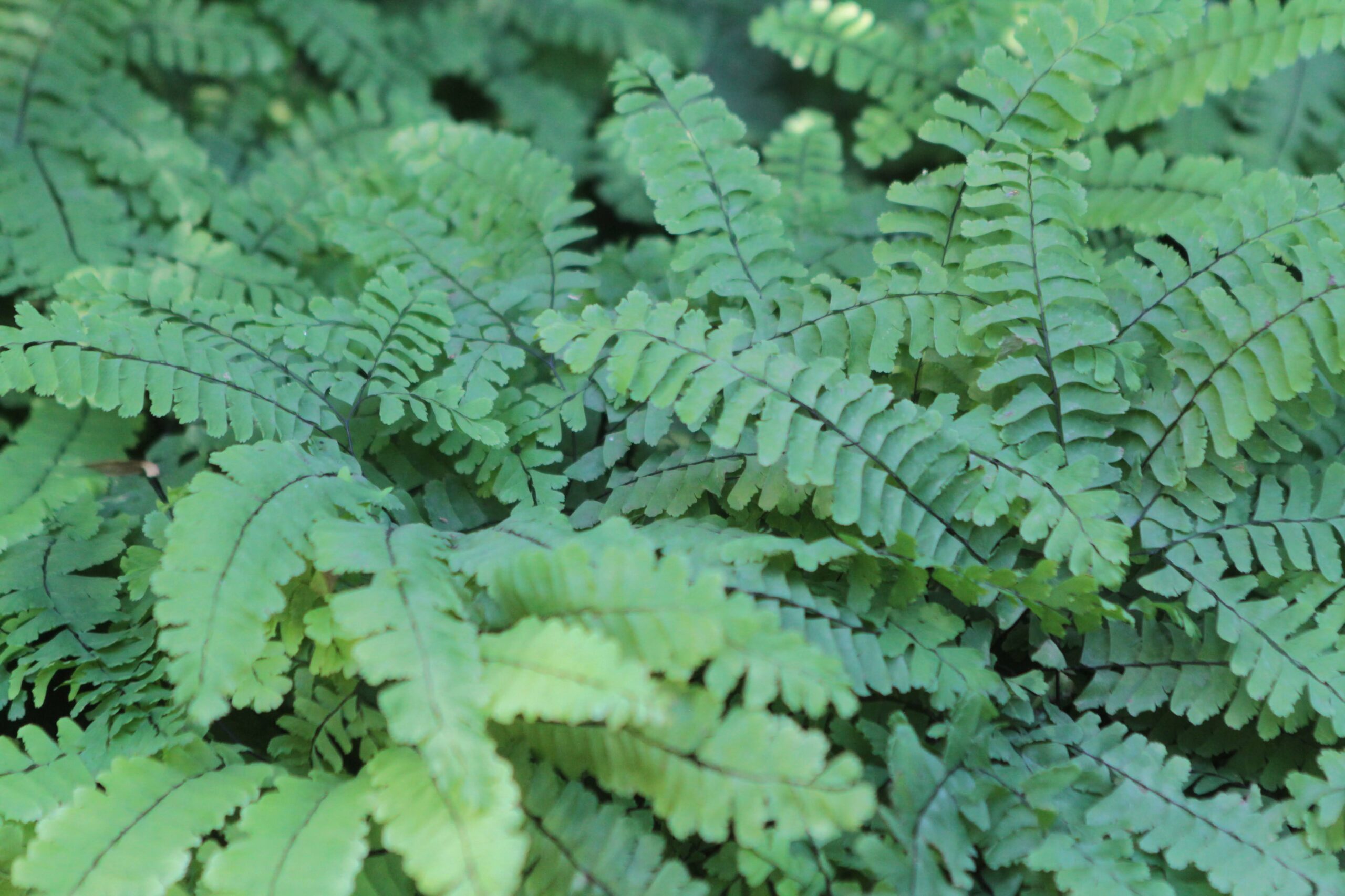
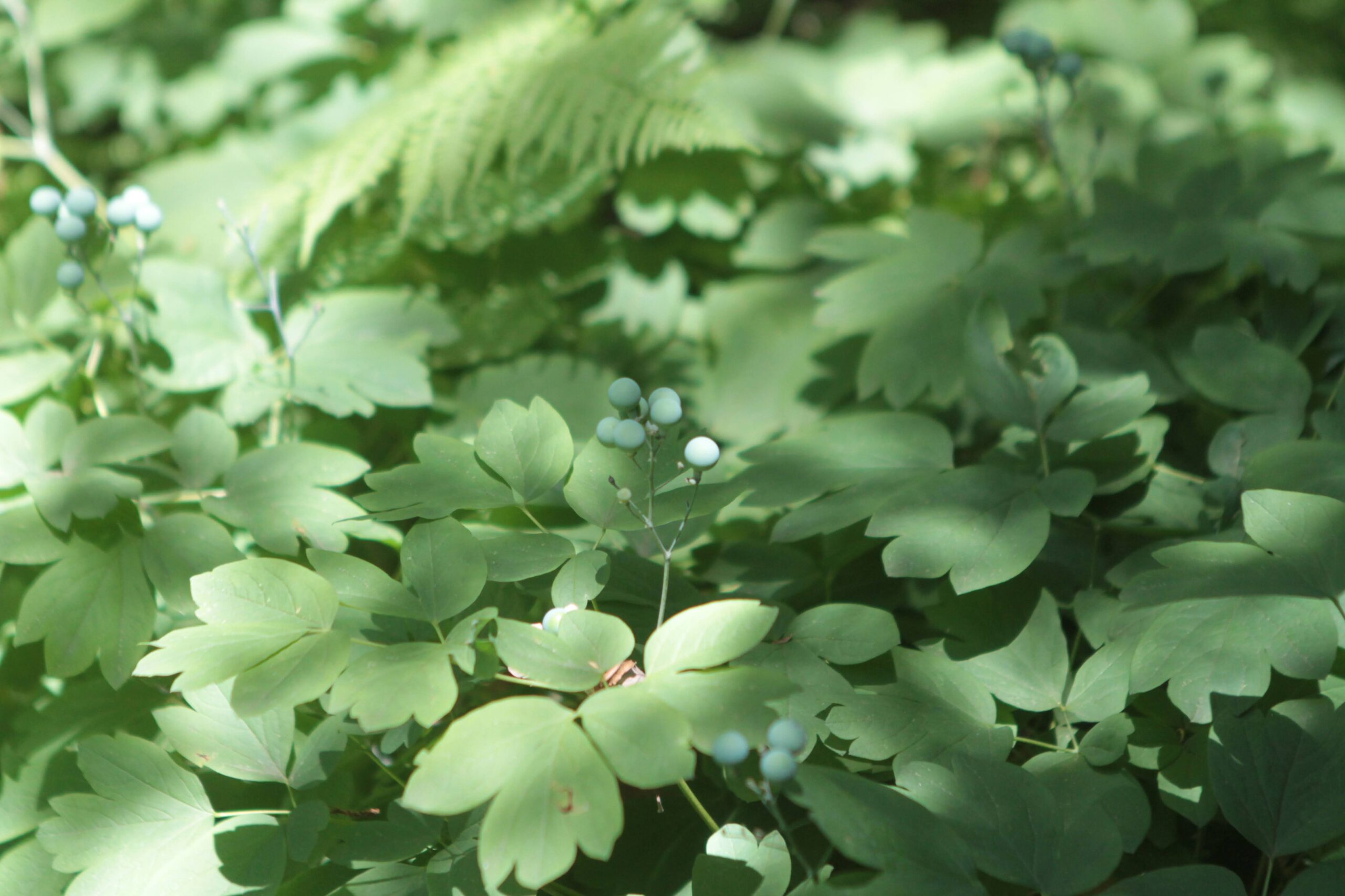
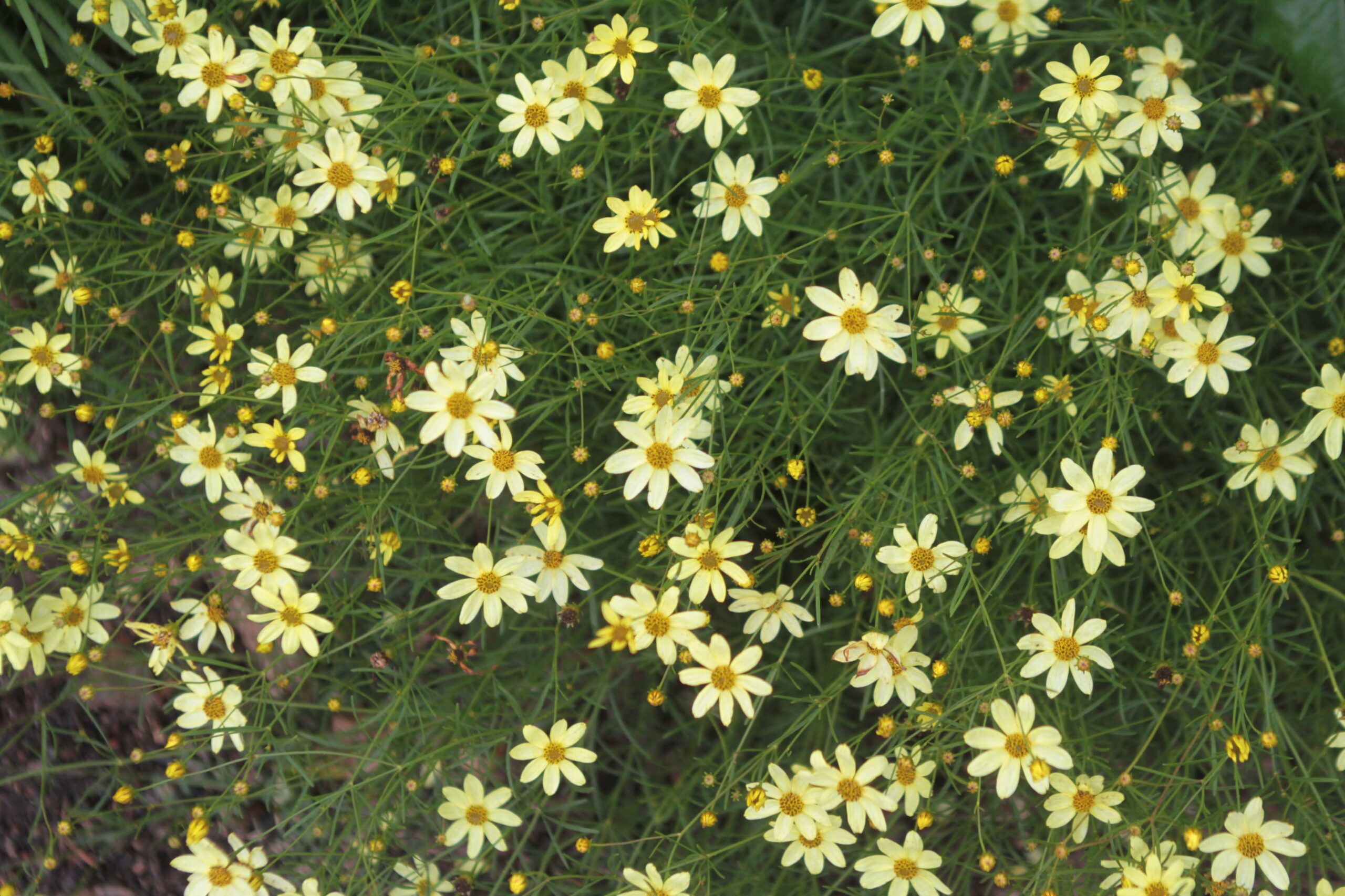
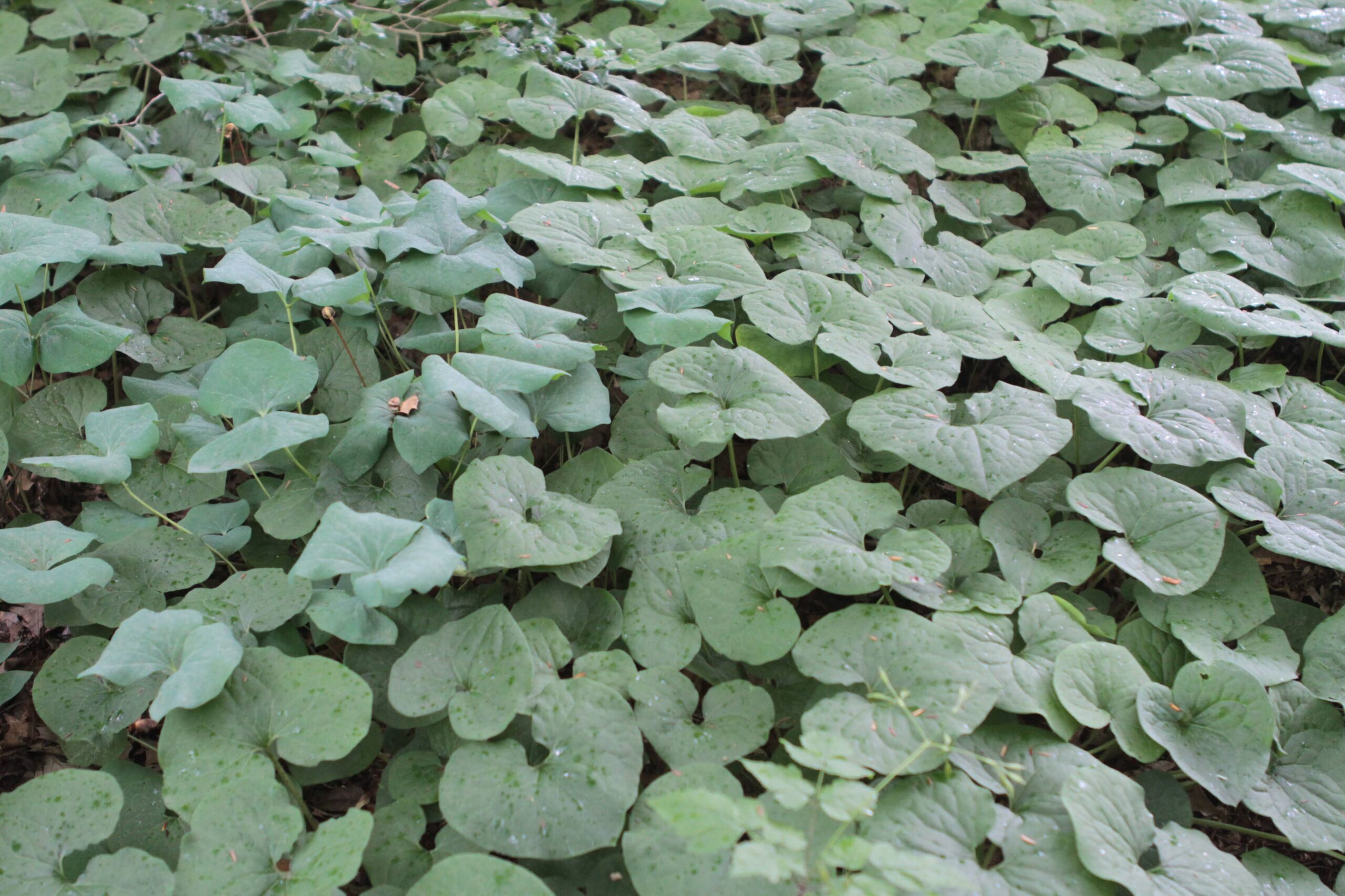
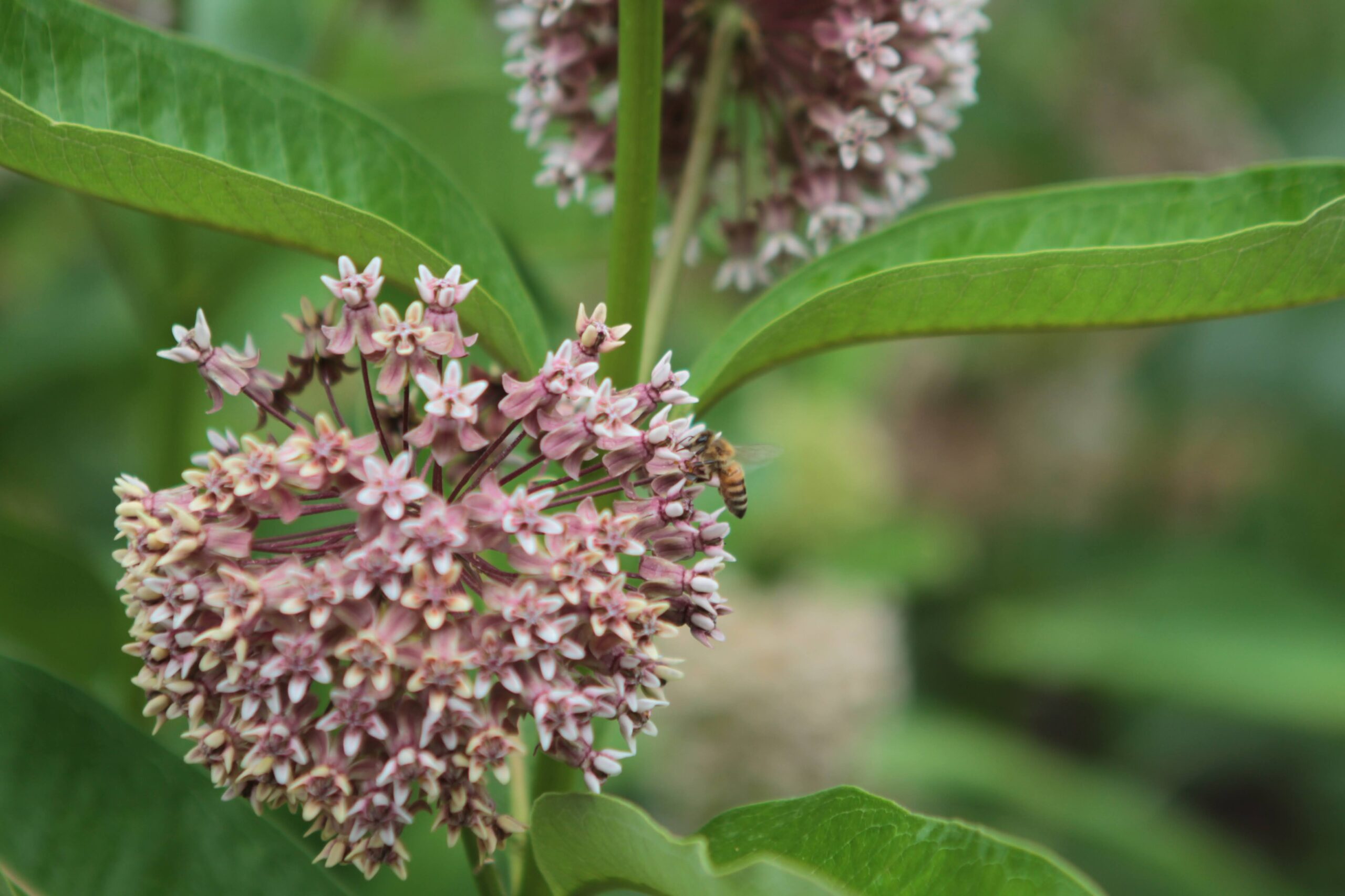
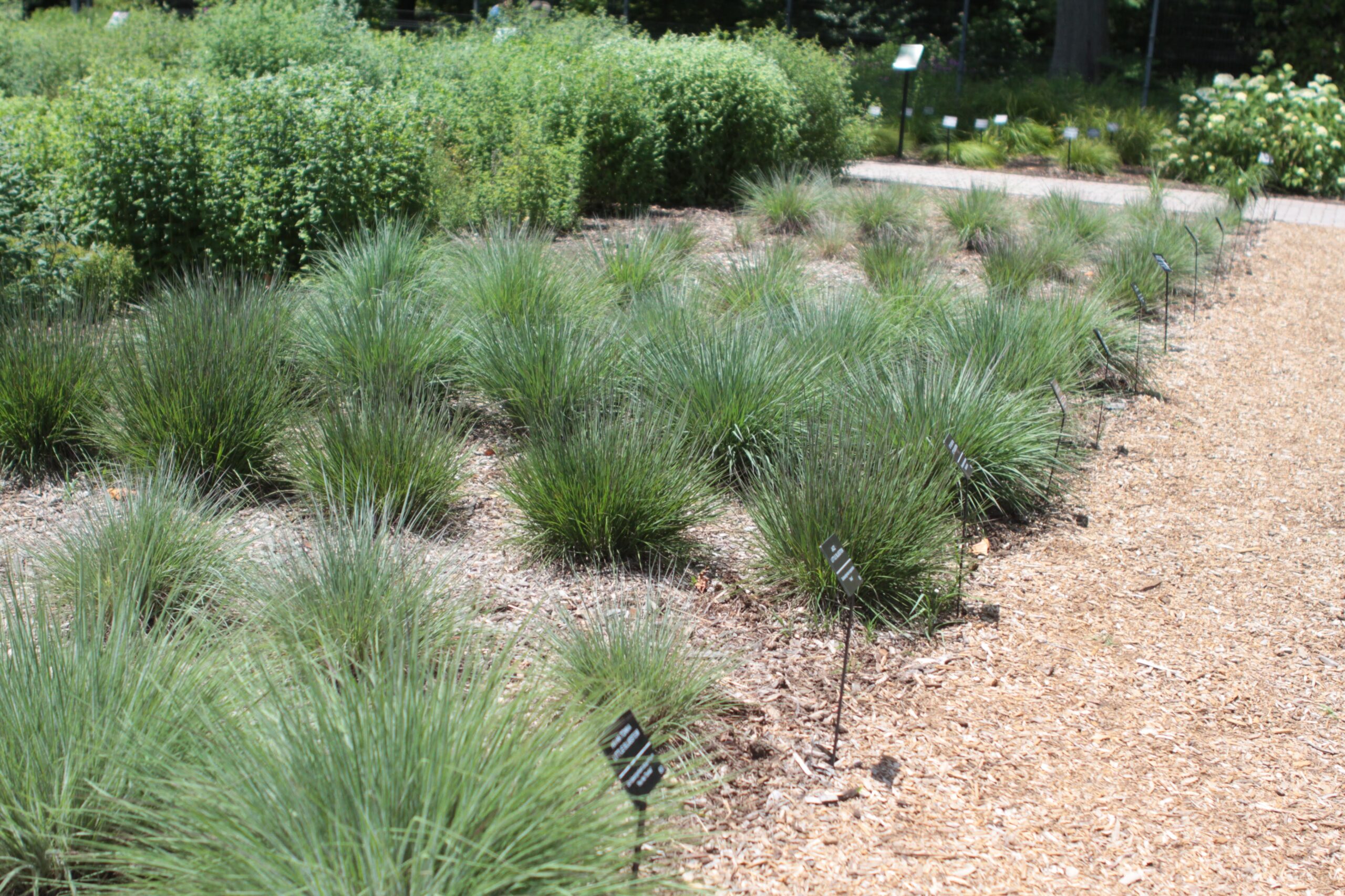
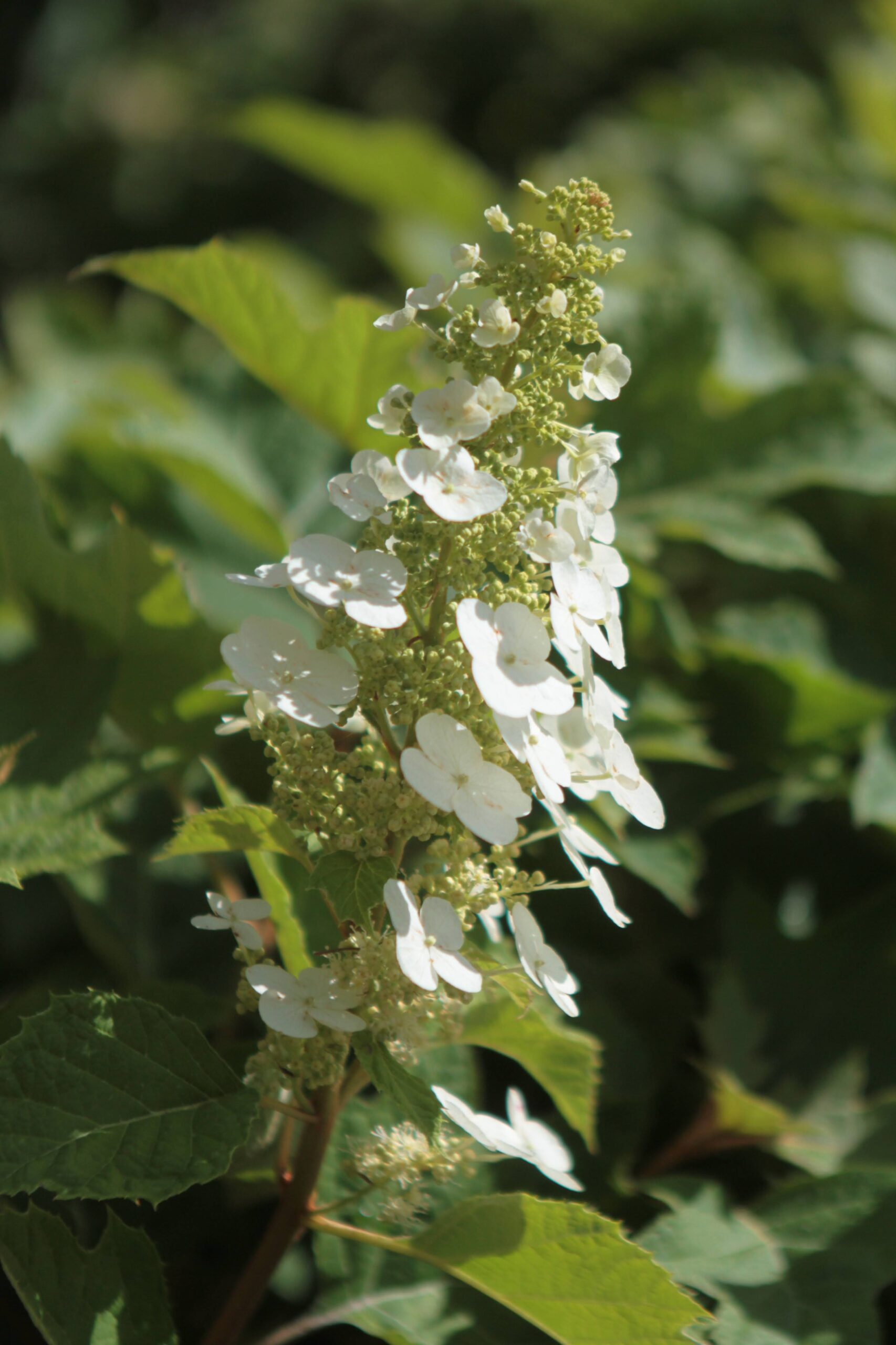
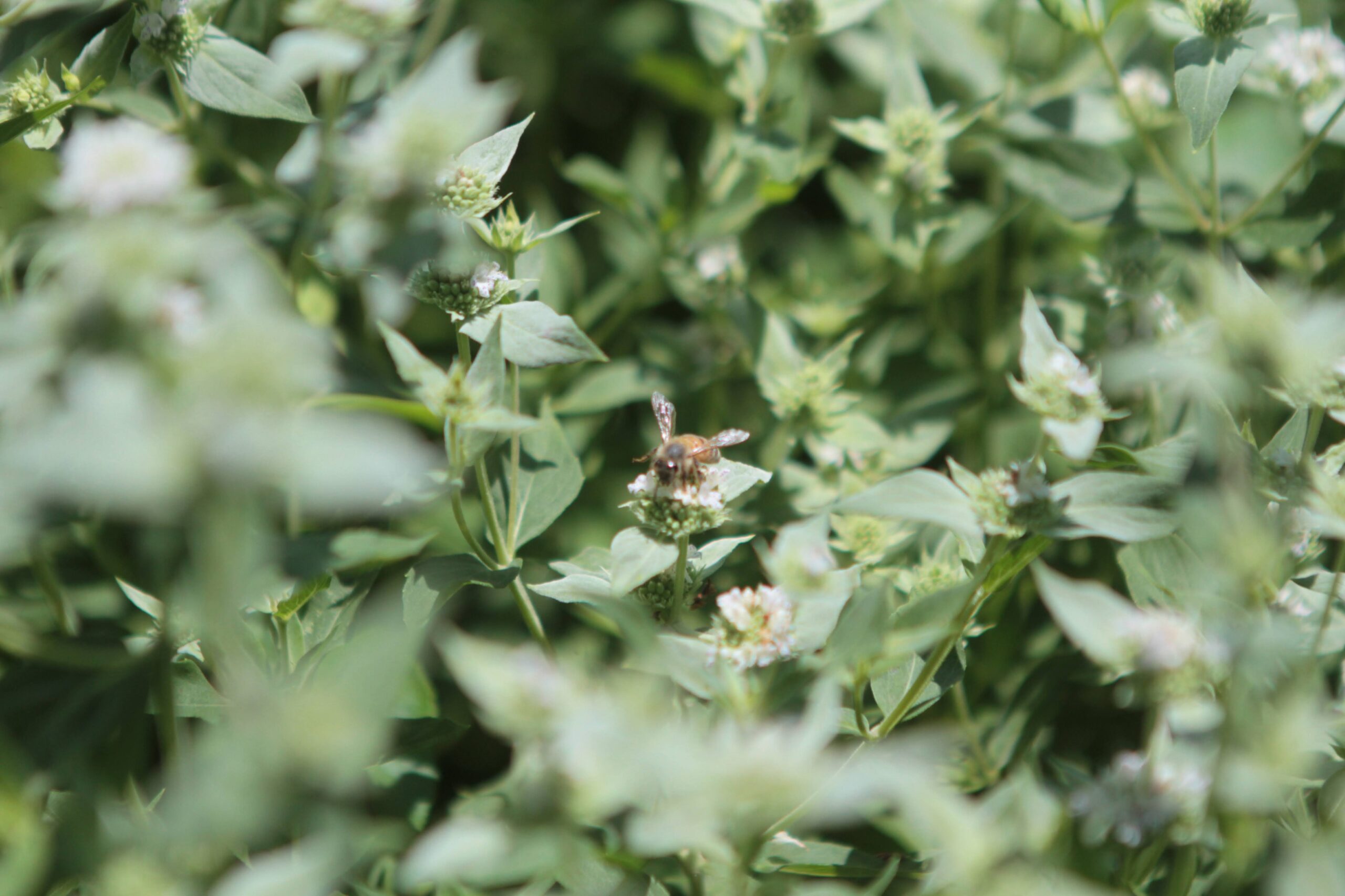
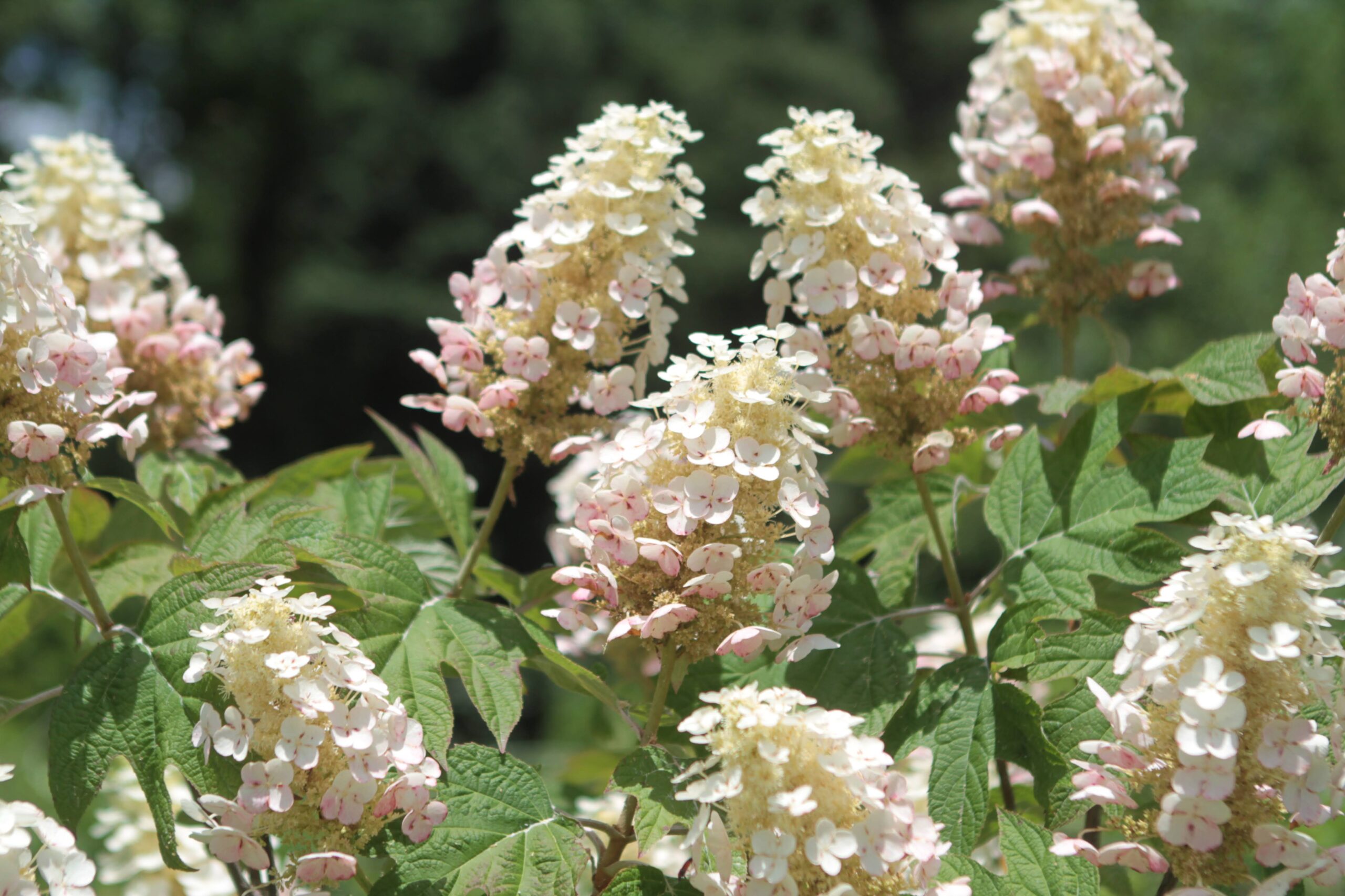
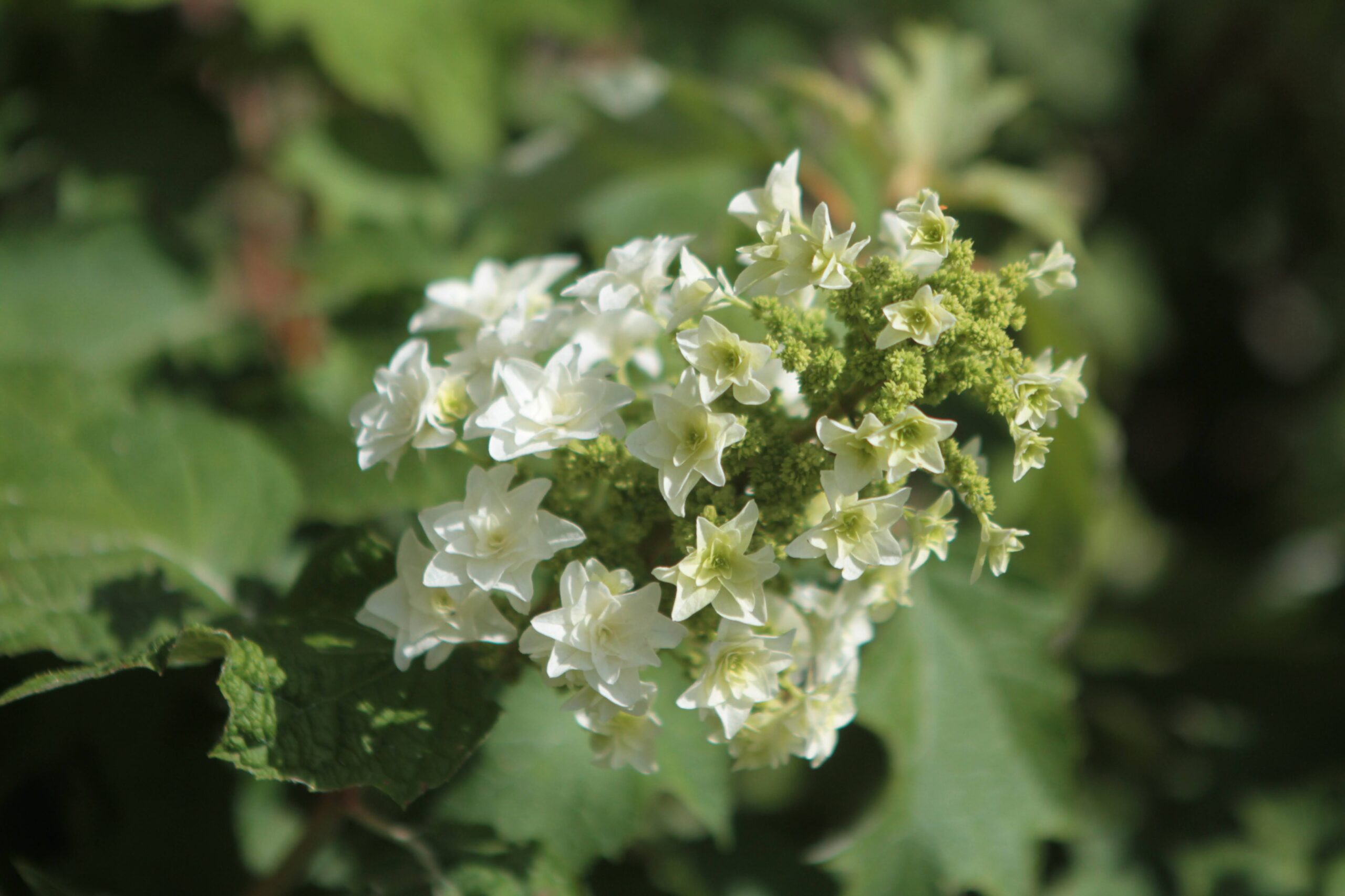
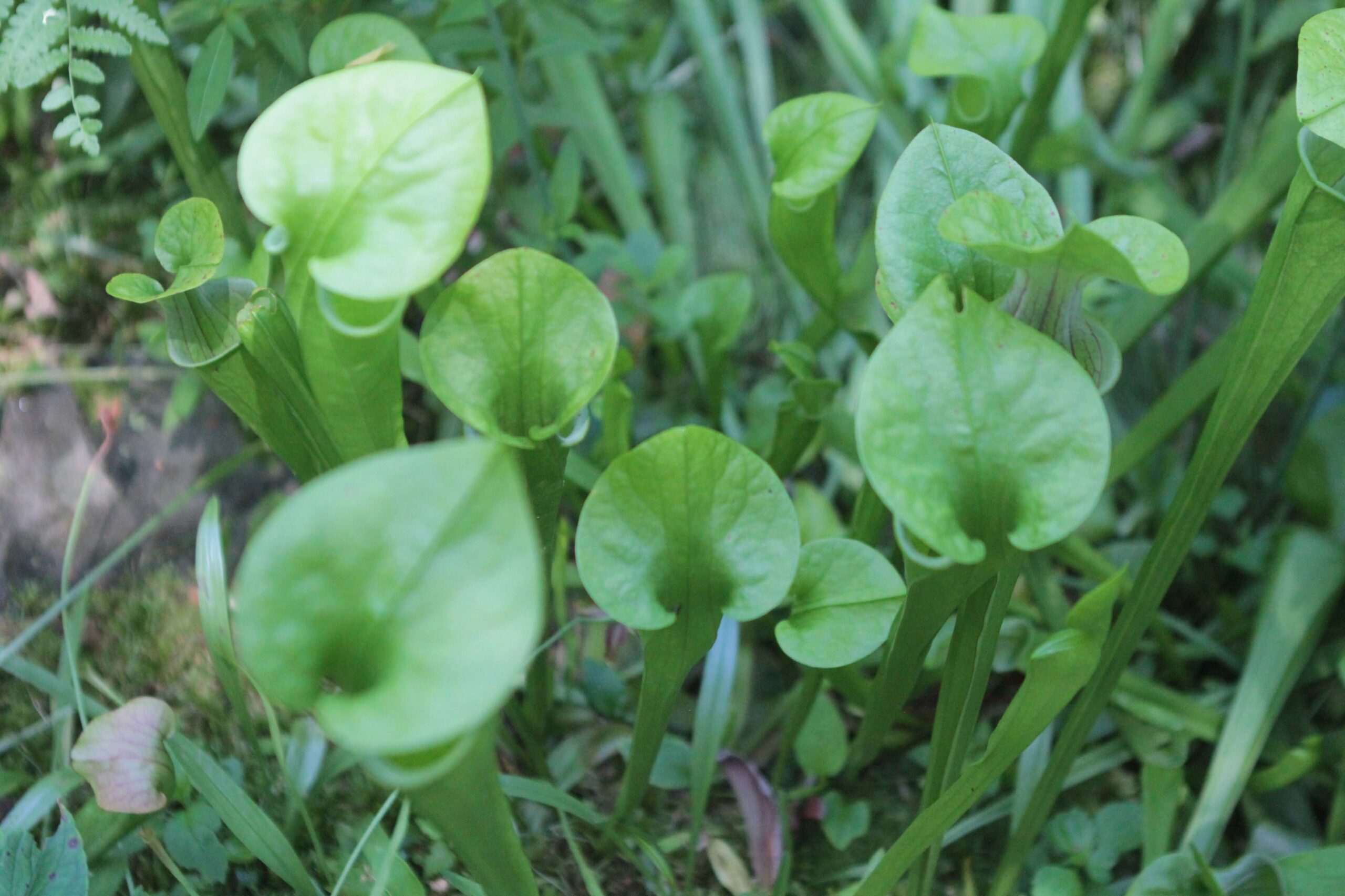
While I did not have a formal tour of the Trial Gardens, I did walk through them and highly encourage you to use this wonderful resource Mt. Cuba provides. What an amazing thing to see 20 plus varieties of Oakleaf Hydrangea (Hydrangea quercifolia) right next to each other! We grow ‘Snow Queen’ here at the nursery (and theirs looked gorgeous) – I have to admit I fell in love with ‘Gatsby Pink’ as well…They label the top performers so as you walk along you know which varieties are trending to the top. The side-by-sides also allow you to see clear flops, sometimes an entire variety fails for example. Other highlights in the Trial Gardens were seeing the many species of Mountain Mint side by side – A true feast for the pollinators; and the Milkweed trial led to interesting conversation with the volunteer on duty who really knew her insects!
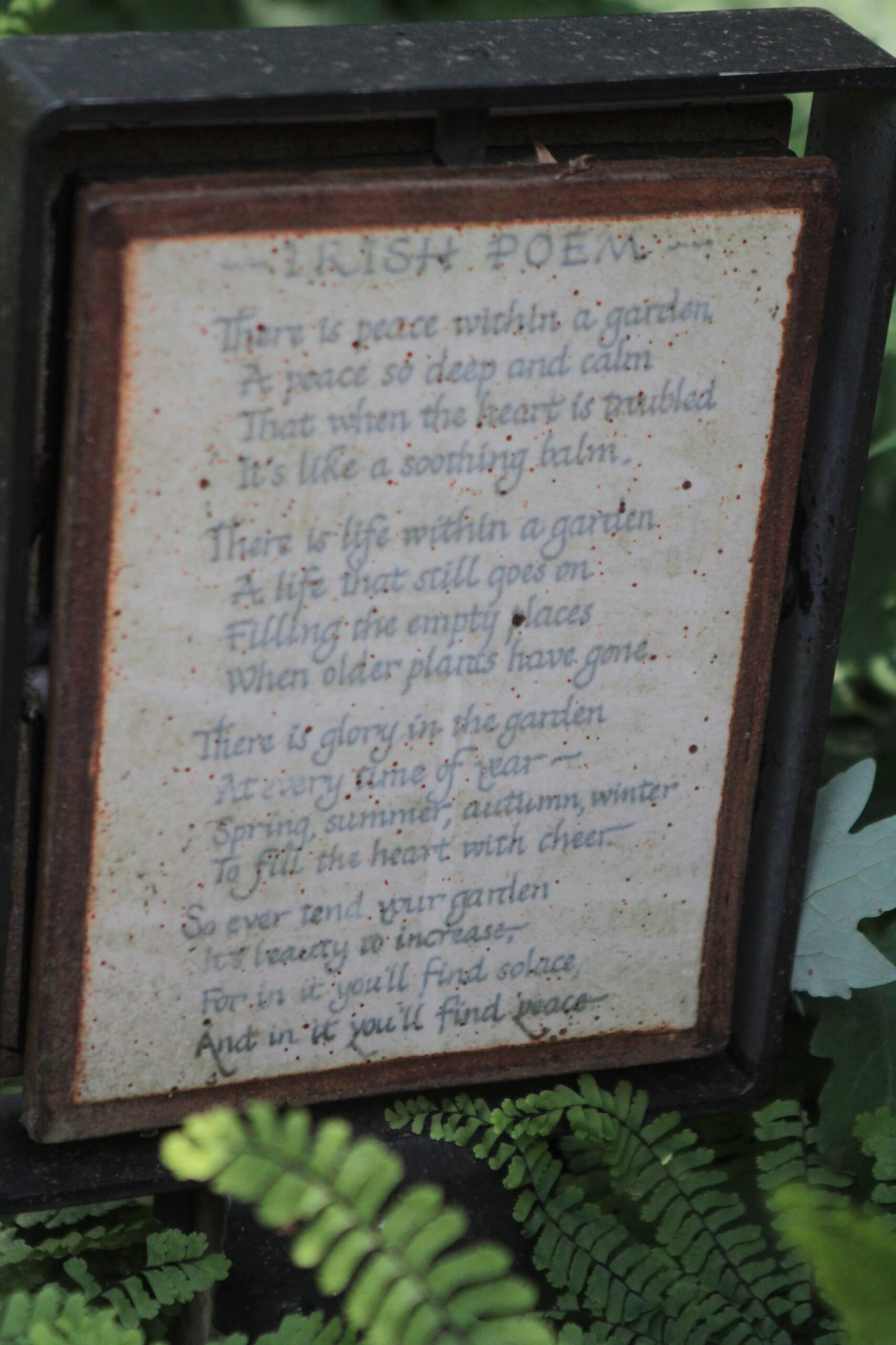
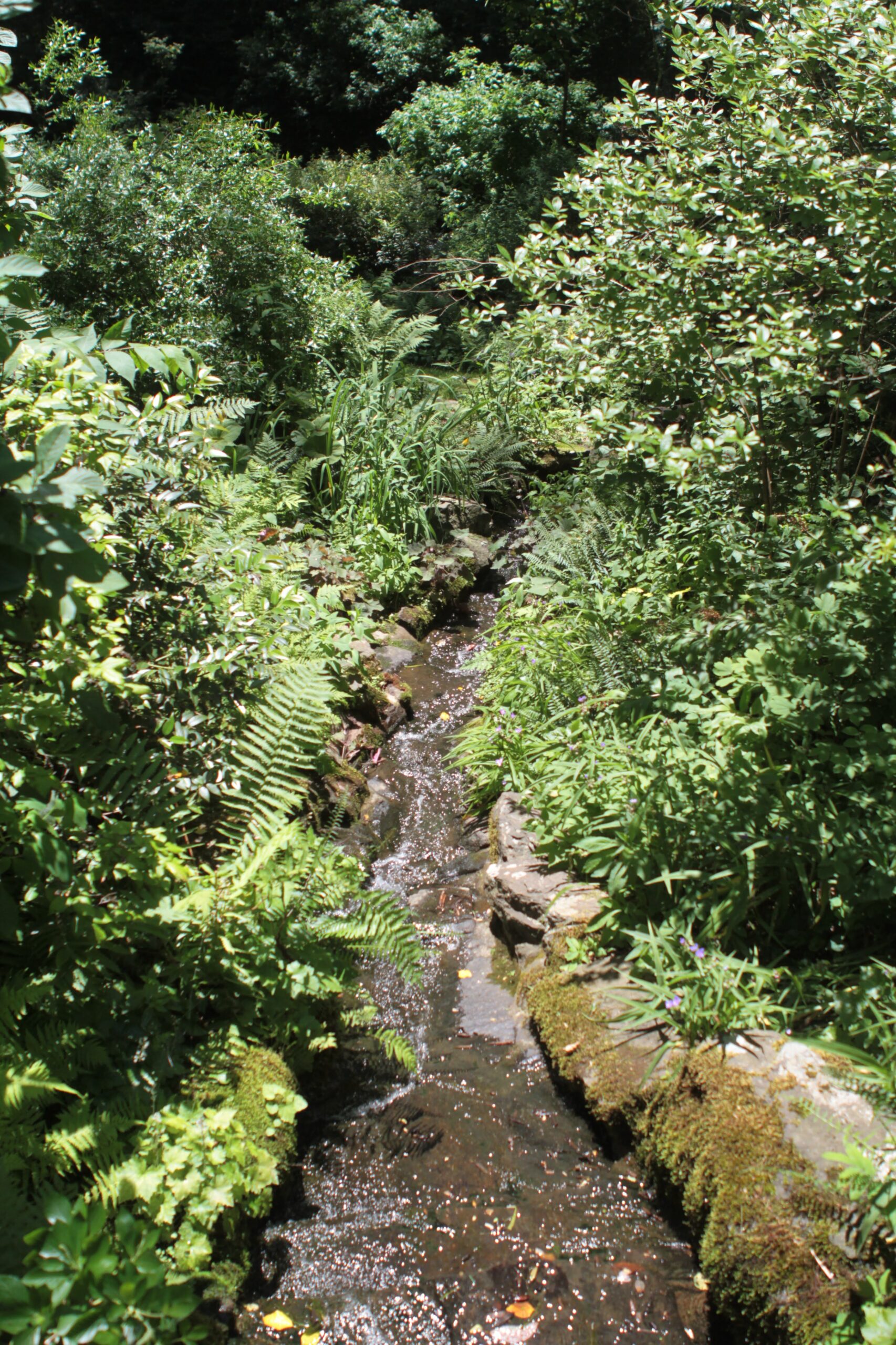
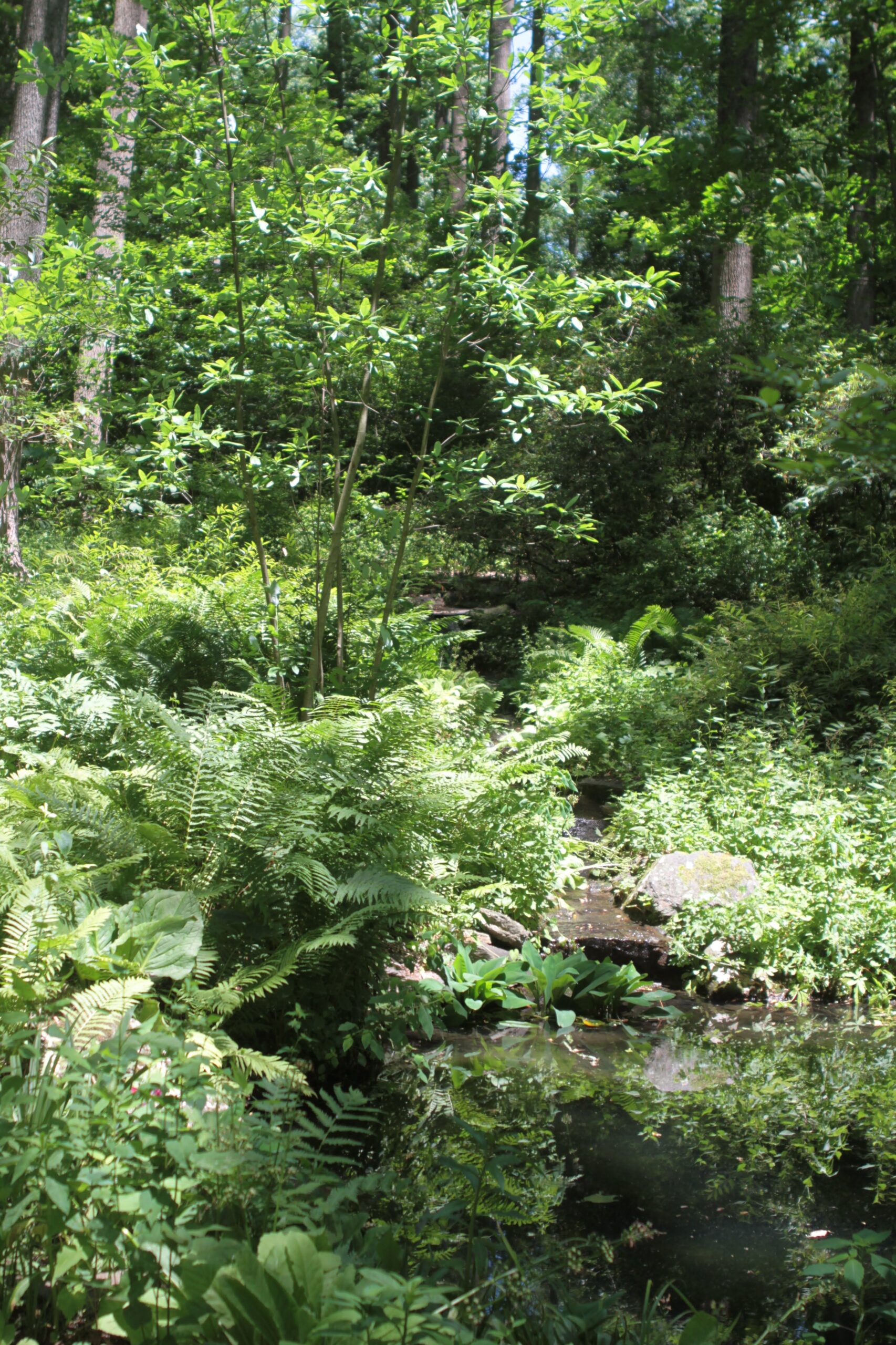
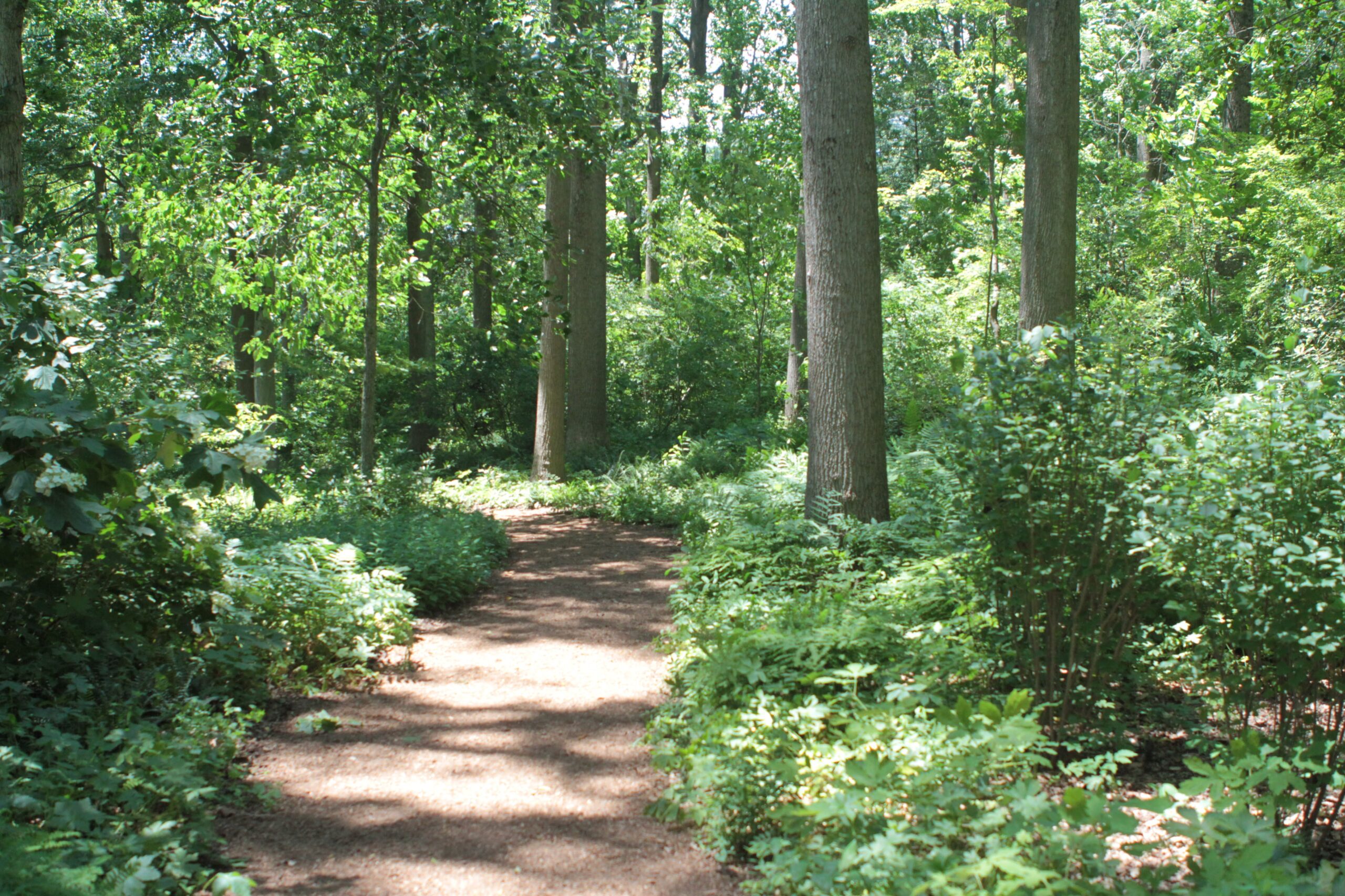
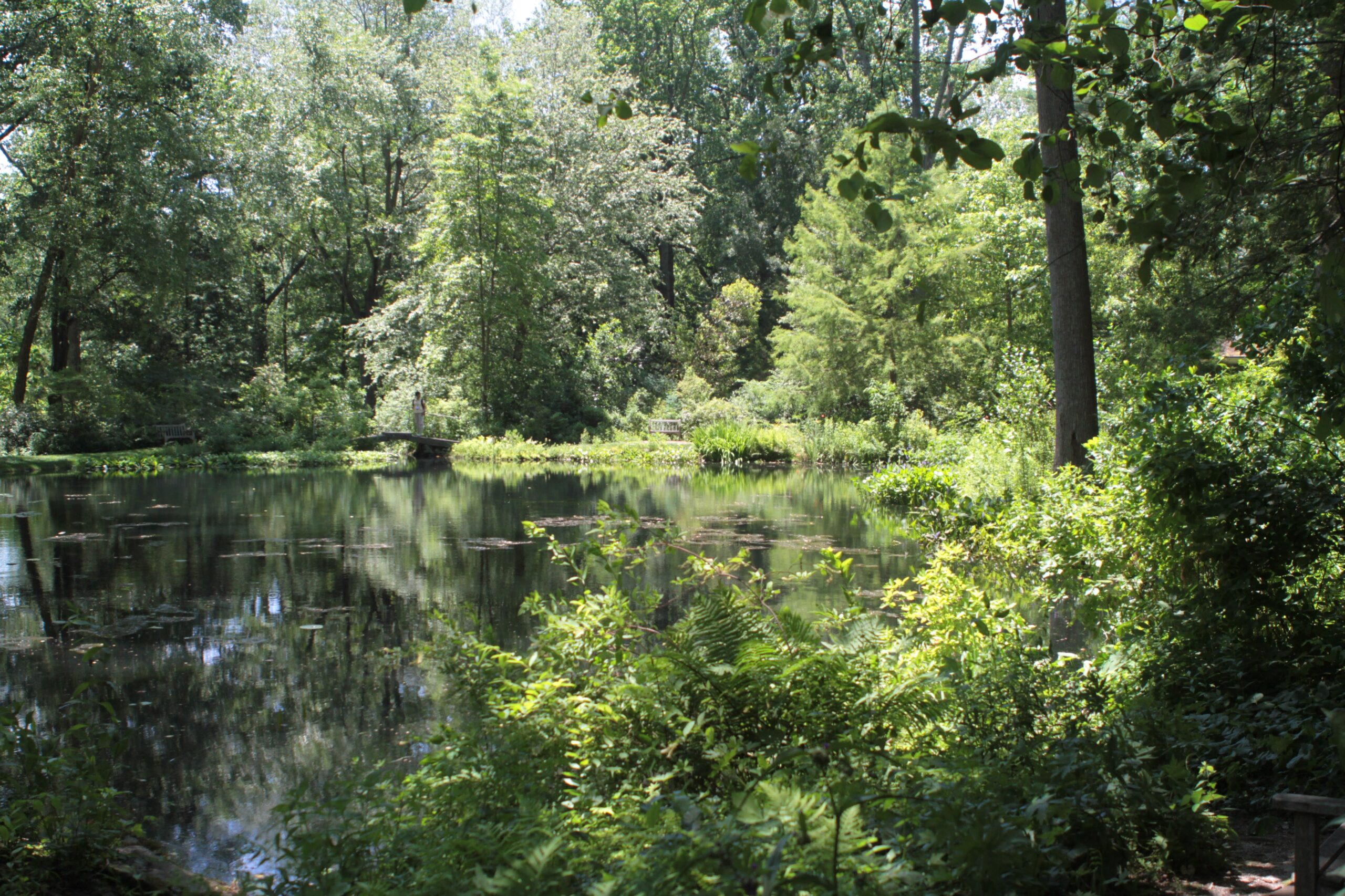
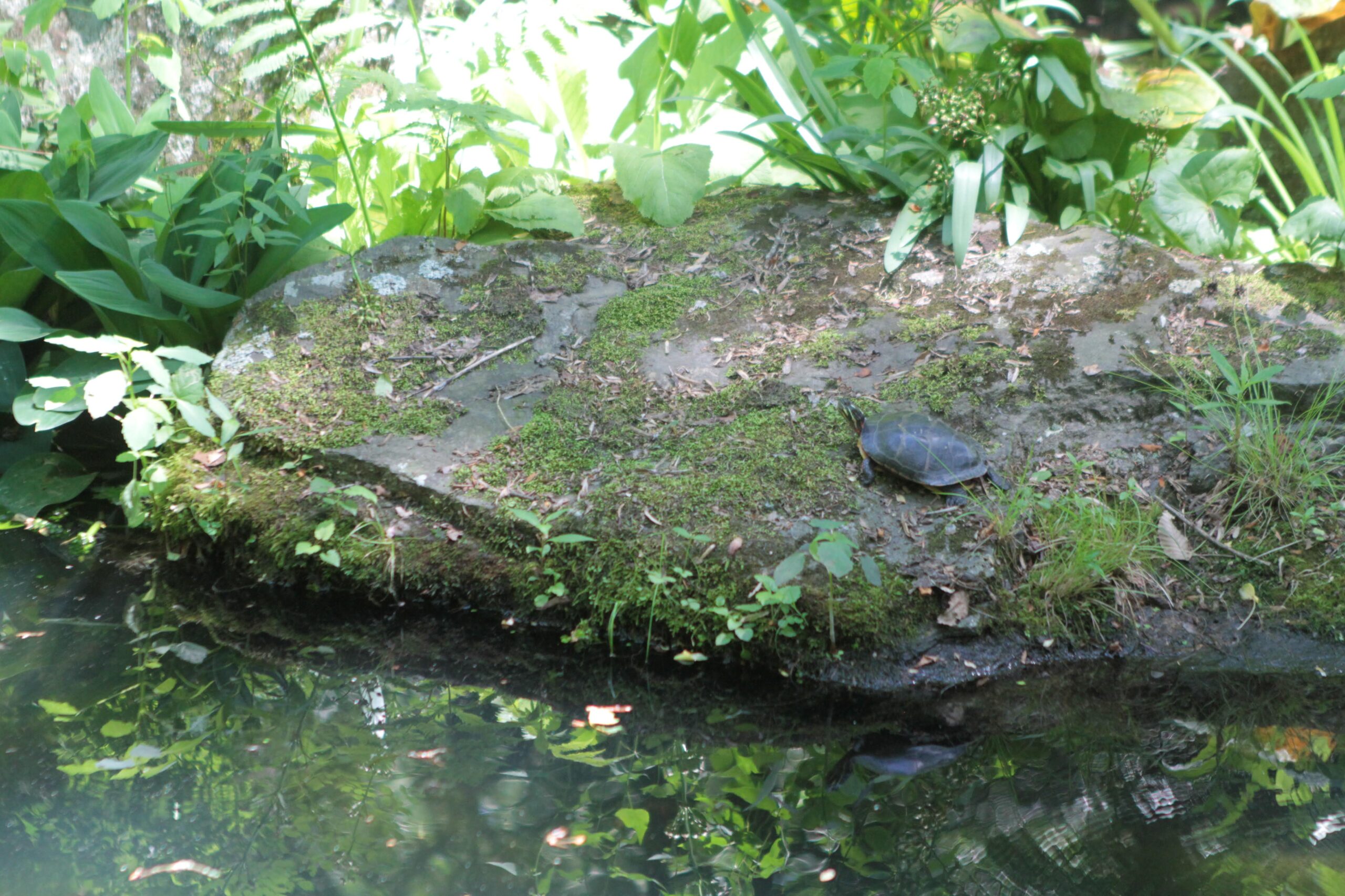
After a delicious lunch, we ventured to “The Ponds” which is an absolute must-see at Mt. Cuba Center. A downhill walk leads to several ponds that are shaded, manicured and breathtaking. It would be a wonderful spot for a picnic lunch, to read for a few hours, paint a watercolor, or sit on one of the many benches and just daydream. The most magical part of The Ponds is thinking about the fact that these were planned out by Mrs. Copeland so long ago – At one point there was a sign that simply read “the path narrows here so you anticipate what is around the corner” and I can’t stop thinking about something so thoughtfully created for generations to come – using Natives (again, before they were “cool”) planting Tulip Poplars that now tower at 100 feet tall (among so many other lovely plants and trees).
A huge thank you to Jessica for sending us to Mt. Cuba Center for “work” and for Amanda our GM for not rolling her eyes at me in my state of total all-day excitement at every twist and turn. I cannot wait to go back!